 Tuesday, October 27, 2026
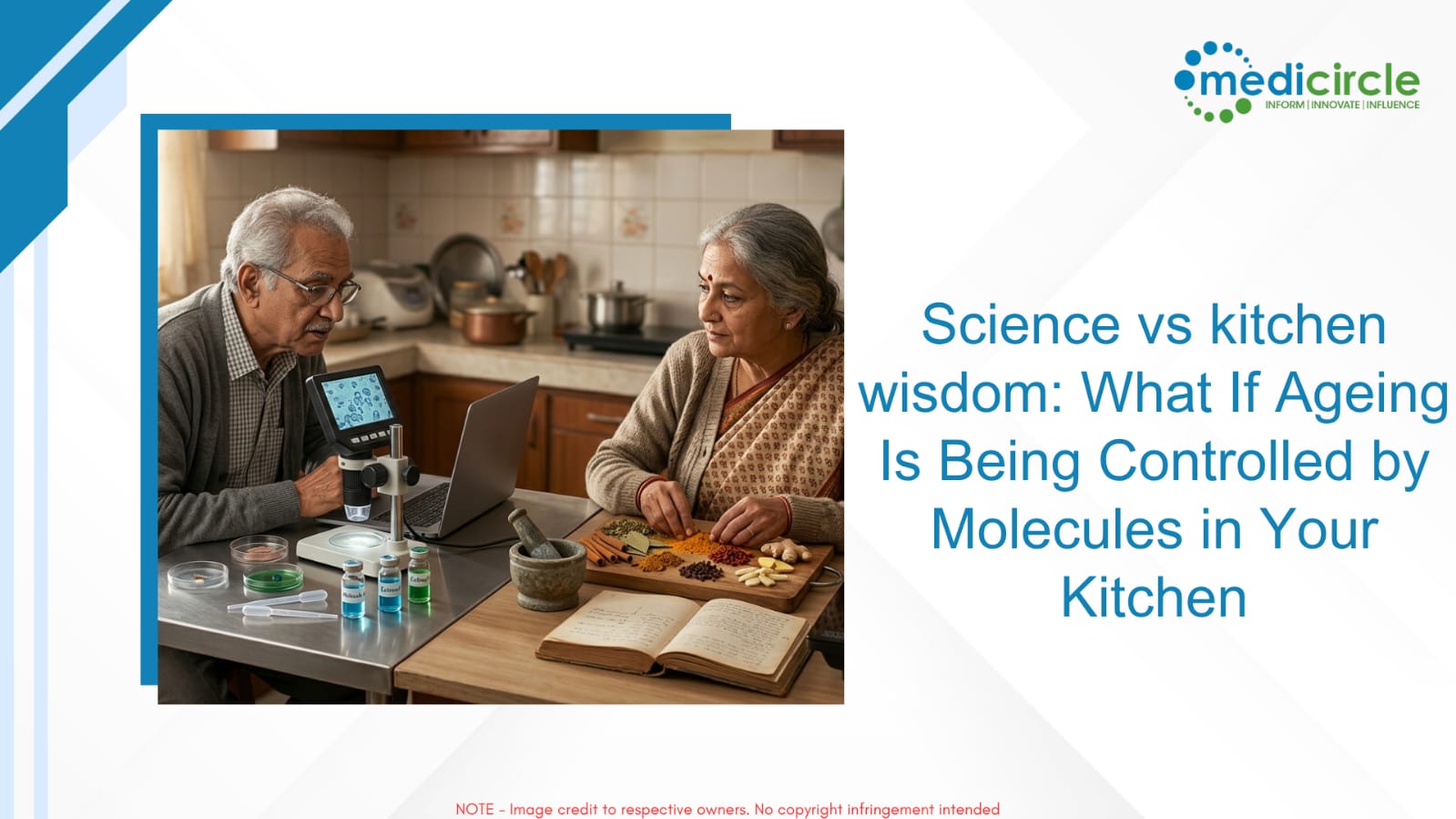
 This study reminds us that the search for healthier aging often begins with simple questions and sometimes with the ingredients already sitting on our kitchen shelves




Garlic has held a special place in kitchens and traditional medicine across cultures. From Indian households to Mediterranean diets, this pungent bulb has long been praised for its supposed healing powers. It has been linked with heart health, immunity, and infection control. Modern science continues to explore whether these beliefs carry deeper biological truths. A new study published in Cell Metabolism now adds another intriguing possibility to the conversation: certain sulfur compounds derived from garlic may influence how the body ages.
The research, conducted by scientists at the Andalusian Molecular Biology and Regenerative Medicine Centre in Spain, offers evidence that specific molecules released from garlic might extend lifespan and protect important physical and cognitive functions during aging. The findings come from experiments conducted on laboratory mice, where these compounds appeared to lengthen life while helping animals maintain strength, memory, mobility, and metabolic balance as they grew older.
Although the results remain far from a prescription for humans, they open a fascinating window into the biological pathways that govern aging. They also highlight how ordinary foods may contain chemical signals capable of influencing some of the most complex processes inside the body.
Aging research in recent decades has shifted from a narrow focus on lifespan to a broader concept known as “healthspan.” Scientists increasingly argue that living longer means little if those extra years are burdened by chronic illness, disability, or declining independence. Healthspan refers to the portion of life spent in good physical and mental health, free from severe disease.
The garlic study appears particularly interesting from this perspective. In the mice that received the garlic-derived compounds, life expectancy increased by a little over eleven percent. While this improvement in survival is notable, researchers emphasize that the animals also preserved their physical and cognitive functions well into older age. They moved more actively, displayed stronger grip strength, and performed better in memory-related tasks compared with untreated mice.
Such outcomes suggest that the compounds may influence several biological systems linked to aging rather than acting through a single mechanism.
The chemistry behind garlic’s potential benefits begins the moment a clove is crushed or chopped. When garlic cells are damaged, they release a range of sulfur-containing molecules responsible for its sharp aroma and flavor. These molecules can trigger the production of hydrogen sulfide, a small gas that the human body also produces naturally.
Hydrogen sulfide may sound like an unlikely candidate for health benefits. It is commonly known as the gas that smells like rotten eggs. Yet within the body, it acts as a signaling molecule that helps regulate communication between cells. In recent years, scientists have recognized that this gas plays a role in controlling inflammation, metabolism, blood vessel function, and cellular protection.
The new research suggests that the sulfur compounds derived from garlic can enhance this signaling system. In the mice studied, the compounds appeared to stimulate pathways that protect cells from damage and help regulate how energy is used within tissues.
One of the earliest changes observed during the experiment occurred in the liver, a central organ responsible for metabolism and detoxification. Researchers noticed that the mice receiving the garlic compounds showed reduced accumulation of fat in liver cells. Instead of forming large clusters of fat droplets i.e. a pattern commonly associated with metabolic stress and fatty liver disease, the droplets were smaller and more evenly distributed.
This detail may seem minor, but it carries important implications. Smaller fat droplets are easier for cells to break down and convert into energy. When fat accumulates in large deposits inside the liver, it can trigger inflammation, disrupt metabolism, and eventually lead to serious conditions such as non-alcoholic fatty liver disease.
The garlic compounds appeared to prevent this harmful buildup, even in animals consuming high-fat diets. By maintaining healthier fat metabolism, the liver may remain more efficient and less vulnerable to damage as the body ages.
Another significant observation involved insulin, the hormone that controls how glucose moves from the bloodstream into cells. With aging, many individuals develop insulin resistance, a condition where the body’s tissues become less responsive to the hormone. This leads to higher blood sugar levels and increases the risk of type 2 diabetes.
In the mice receiving the sulfur compounds, insulin signaling seemed stronger. When researchers tested how the animals responded to a glucose challenge, their blood sugar levels rose less sharply. Over time, their bodies required smaller amounts of circulating insulin to maintain glucose balance, suggesting improved insulin sensitivity.
This improvement in metabolic health may partly explain the broader benefits observed during the study. Metabolic disorders, chronic inflammation, and oxidative stress are closely linked to the aging process. When these factors accumulate, they can damage tissues and accelerate the decline of vital organs.
Inside cells, the garlic compounds appeared to influence another subtle biochemical process known as persulfidation. This process involves attaching sulfur atoms to proteins, altering how those proteins behave and how they interact with other molecules.
Although this may sound highly technical, the basic idea is simple. Proteins are the working machinery of cells. When their activity is adjusted through chemical modifications like persulfidation, entire biological pathways can shift. In this case, the changes seemed to regulate pathways involved in energy metabolism, stress resistance, and cellular maintenance.
Researchers also observed reduced activity in a major growth-regulating pathway that has long been associated with aging. When this pathway remains excessively active, it can accelerate cellular wear and tear. Lower activity levels may therefore help slow some of the biological processes linked to aging.
At the same time, liver tissues showed signs of reduced inflammation. Chronic low-grade inflammation, often referred to as “metabolic inflammation” or “meta-inflammation,” is increasingly recognized as a driver of many age-related diseases. Conditions such as cardiovascular disease, diabetes, and neurodegenerative disorders all share this underlying inflammatory component.
By moderating these inflammatory signals, the garlic compounds may help create a cellular environment that supports healthier aging.
Beyond the laboratory mice, the researchers attempted to explore whether similar biological signals appear in humans. They analyzed blood samples from nearly three hundred individuals living with multiple chronic conditions. In these samples, higher levels of a sulfur-related protein marker were linked with stronger grip strength and lower triglyceride levels.
Grip strength has become an important indicator of overall health in aging research. Studies consistently show that individuals with stronger grip strength tend to have lower mortality risk and better functional independence as they age.
Although these human findings represent correlations rather than proof of cause and effect, they provide a hint that the biological mechanisms observed in mice may also operate in people.
Still, the researchers themselves stress that caution is essential when interpreting the results. Animal studies often produce promising discoveries that later fail to translate directly to human medicine. Mice and humans share many biological systems, yet their metabolism, lifespan, and disease patterns differ in important ways.
One limitation of the experiment is that only male mice were tested in the lifespan portion of the study. Female animals process sulfur compounds differently, which means the results cannot yet be generalized across sexes.
Another concern emerged during post-mortem examinations. Some of the long-lived mice developed liver tumors. The researchers suggest that this may simply reflect the fact that animals living longer have more time to develop cancer. Nevertheless, the observation raises questions that must be addressed before any human applications are considered.
Equally important is the issue of dosage. The mice in the experiment received purified sulfur compounds as part of carefully controlled diets. The concentration and consistency of these compounds are very different from what a person would obtain by eating garlic in everyday meals.
This distinction highlights an important lesson in nutritional science. While certain foods may contain beneficial molecules, their effects often depend on precise doses and biological conditions that cannot easily be replicated through diet alone.
Garlic itself remains a valuable part of a healthy diet, rich in antioxidants and plant compounds that support cardiovascular and immune health. However, the study does not suggest that eating large amounts of garlic will slow aging or extend human lifespan.
The researchers emphasize that far more work is needed before any clinical recommendations can be made. Future studies must explore how these sulfur compounds behave in female animals, determine safe dosage ranges, and eventually test whether similar biological effects occur in human trials.
Despite these uncertainties, the findings reflect a broader trend in aging science. Researchers are increasingly discovering that aging is not governed by a single biological clock. Instead, it emerges from a network of interconnected processes involving metabolism, inflammation, cellular repair, and energy regulation.
Interventions that influence several of these pathways simultaneously may offer the greatest potential for extending healthy years of life.
For public health experts, the stakes are high. Across the world, populations are aging rapidly. Many older adults live with multiple chronic illnesses that reduce mobility, independence, and quality of life. Extending healthspan has therefore become one of the most urgent goals in modern medicine.
If compounds derived from everyday foods can help regulate some of the biological systems behind aging, they may eventually become part of a broader strategy for maintaining health later in life. Such strategies could combine nutrition, lifestyle changes, and targeted therapies to preserve physical and cognitive function.
The garlic study offers a reminder that valuable scientific clues sometimes emerge from the most familiar places. A simple kitchen ingredient, long valued in traditional medicine, may contain molecules capable of interacting with the body’s deepest biological processes.
For now, the results remain an early chapter in a much larger scientific story. What they reveal is less about garlic itself and more about the remarkable complexity of aging. Every cell in the body constantly balances energy production, damage repair, and communication with its neighbors. Over decades, tiny shifts in these processes accumulate, shaping how the body grows older.
Understanding those shifts may ultimately allow scientists to design interventions that help people age with greater strength, clarity, and resilience.
Whether garlic-derived compounds will play a role in that future remains uncertain. But the study reminds us that the search for healthier aging often begins with simple questions and sometimes with the ingredients already sitting on our kitchen shelves.





-23-300x250.png)

.jpeg)








.jpg)
.jpg)
.jpg)
.jpg)
.jpg)
.jpg)
.jpg)
.jpg)
.jpg)

