 Sunday, October 11, 2026
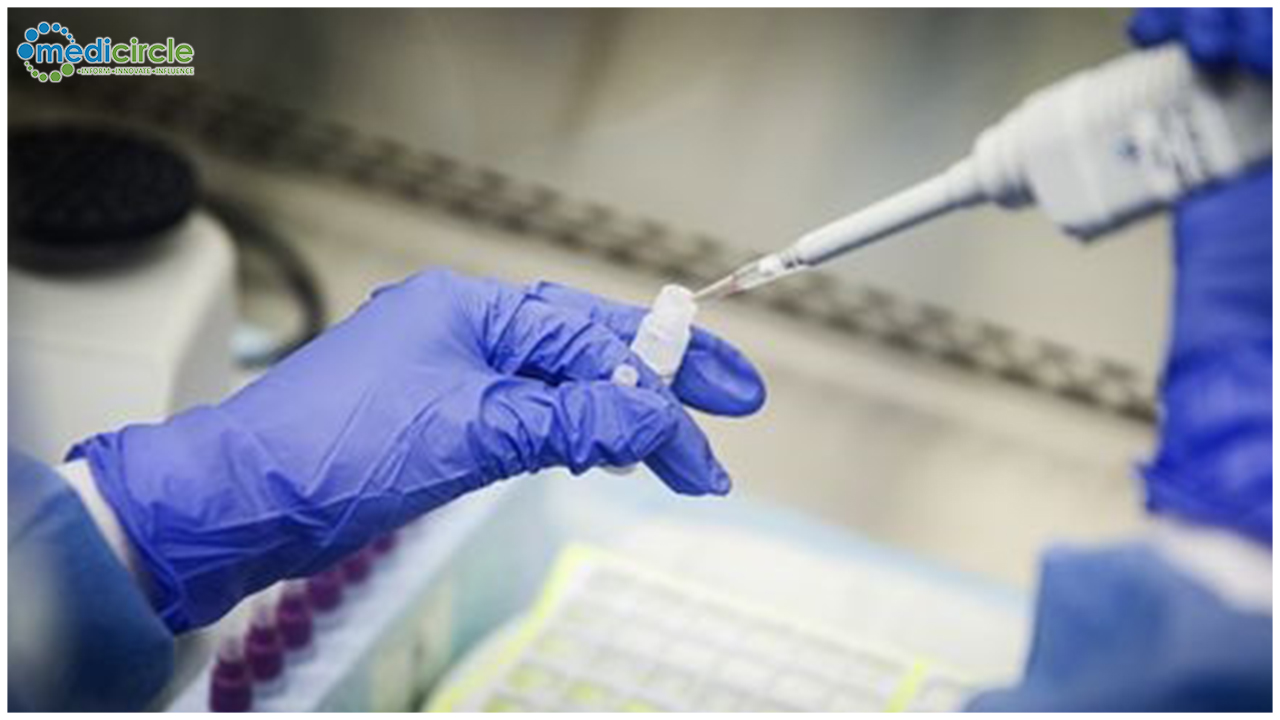
 South Korea reported only 25 new cases overall on Monday, but the rise in "reactivated" patients has raised concerns as the country seeks to stamp out infections




South Korea provided details regarding Monday that in any event 116 individuals at first freed from the new coronavirus had tried positive once more, even though authorities proposed they would before a long glance at facilitating severe proposals planned for forestalling new flare-ups.
South Korea detailed just 25 new cases by and large on Monday, yet the ascent in "reactivated" patients has raised worries as the nation looks to get rid of contaminations.
Authorities are as yet exploring the reason for the obvious backslides. Be that as it may, Jeong Eun-kyeong, chief of the Korea Centers for Disease Control and Prevention (KCDC), has said the infection may have been reactivated as opposed to the patients being re-contaminated.
Different specialists said flawed tests might be assuming a job, or leftovers of the infection may, in any case, be in patients' frameworks however not be irresistible or of peril to the host or others.
The 116 cases are more than twofold the 51 such cases South Korea detailed seven days sooner.
South Korea intends to send 600,000 coronavirus testing packs to the United States on Tuesday in the primary such shipment following a solicitation from U.S. President Donald Trump, a Seoul official told Reuters on Monday.
Government pioneers, in the meantime, approached South Koreans to keep on following rules and limitations on get-togethers, yet implied that such measures could before long be facilitated.
South Korea has approached occupants to follow severe social separating until in any event April 19, yet as cases have dropped and the climate has improved, a developing number of individuals have been spurning the rules.
At a gathering on debacle the executives on Monday, Prime Minister Chung Sye-Kyun said the administration would before long be hoping to relax the rules, which call for individuals to remain at home, keep away from get-togethers of any kind, and just go out for fundamental reasons.
"In the not so distant future, we intend to audit the concentrated social removing effort that we have done up until this point and talk about whether we will change to routine security measures," he said.
Some nearby governments have forced stricter measures, including shutting bars and dance clubs, restricting enormous exhibits, and constraining chapel gatherings.
Chung forewarned that in any event, when the limitations are facilitated, the nation won't come back to life as before the flare-up.
"We need an exceptionally careful methodology because any untimely facilitating of social separating could bring irreversible outcomes, and need to contemplate profoundly about when and how we change to the new framework," he said.





.jpeg)










.jpg)
.jpg)
.jpg)
.jpg)
.jpg)
.jpg)


.jpg)