 Tuesday, October 27, 2026
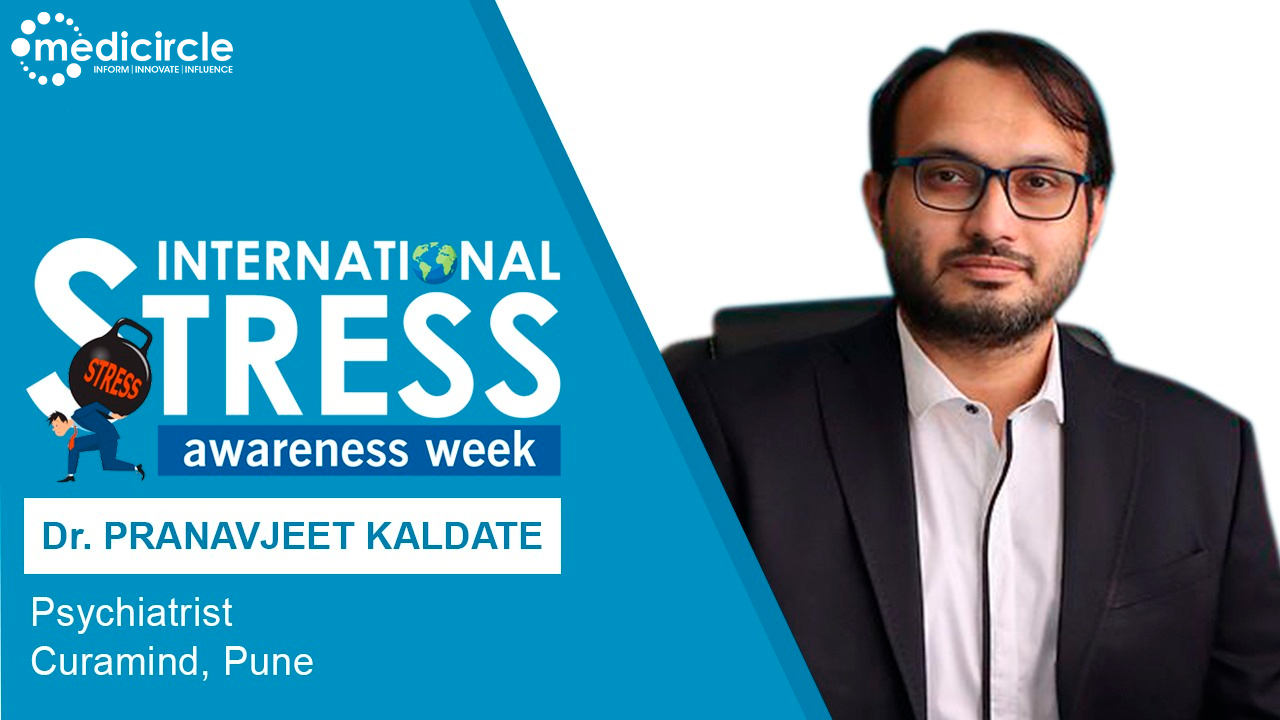
 Stress in children is increasing day by day. As parents, it is necessary to notice the early signs of stress on your kids. Early detection can help kids not suffer from the physical and emotional burden of stress.




The feeling of being overwhelmed or unable to cope with mental and emotional pressure is stress. Stress is our body’s response to pressure. Many different situations or life events can cause stress. Sometimes, this stress response can be useful: it can help us push through fear or pain. However, too much stress can cause negative effects. Long term, this can affect our physical and mental health.
As per the result of a large-scale survey conducted across India in 2019, young adults between the age of 20 and 29 years of both genders were the most stressed in the country. The major cause of high-level stress among young people are peer pressure, pressure to succeed in academics or work and irregular routines. 50% of Indian professionals have reported that an uncertain future is their topmost source of stress as was revealed in a recently concluded survey by The7thFold, a boutique HR and Wellbeing firm.
Every year, the world celebrates International Stress Awareness Week from 1st to 5th November. The day encourages people to sit back, unwind and embrace peace. Awareness about this has become even more significant this year due to the tough times people across the world have gone through in the COVID-19 outbreak. We at Medicircle are conducting the International Stress Awareness Week Series wherein we will be featuring experts in this field to understand and create more awareness about the effects of stress.
Dr Pranavjeet Kaldate is a psychiatrist at Curamind, Pune with years and years of experience in effectively treating and guiding patients with a wide range of conditions that include stress, depression, anxiety, dementia, schizophrenia, psychosexual issues. He is a program officer for District Mental Health Program, District Civil Hospital, Pune.
He is expertise in Stress-related Psychological and psychosomatic Disorders and focuses on, Psychological and Spiritual well-being. He believes in a holistic approach to treatment via medicines, counselling, and workshops. Not only does he aim to treat the illness, but also focuses on positive mental health.
Stress in Children
Dr Kaldate begins, "Stress is an inevitable part of life. With the presence of Covid, many parents are focusing on their children suffering or dealing with it. As parents and children spend more time with each other, the signs of stress affecting children's lives are more visible."
"A 2013 survey by American Association of Psychology noted that many children are showing visible signs of anxiety and depression. The numbers are more than what they expected. Here the prime causes were that children are unaware of how to express their emotions. Sometimes the parents too are ignorant about the child's life."
"Stress to a certain extent is a good thing. Stress before an exam can help them study more diligently. But if they don't know how to cope with that stress then the stress turns negative. This stress affects the child more. It results in mental health problems like anxiety and depression.”
“Such can be avoided if one pays attention and deals with it beforehand. Causes of stress in kids are bad home environment. If the parents constantly fight then that affects the child negatively. If they have a school environment where there is constant comparison and competition, that affects them negatively."
"One good thing about the school is that kids have peers who can buffer the impact of stress. On the other hand, they can be adversely affected if they face bullying. Since they can't communicate well, they rely on odd behaviour to express themselves. The parents not knowing the cause behind their behaviour will blame the kid for being naughty."
How should parents deal with child stress?
He says, "Parents should first notice the signs of stress in kids. Kids wouldn't understand what they are going through and wouldn't be able to ask for help. The first sign of stress in kids would be a change in their behaviour. They might become more irritable, have mood fluctuations, will decline social activity, be unwilling to play with others and more"
"Or the kid will show other signs like being lazy, unclean and disobedient. Maybe there's a change in sleeping and eating pattern. Stress also affects the child's immunity, so maybe your kid is falling ill more often. Or maybe is worrying over things he wouldn't necessarily be bothered about."
"The first thing the parent should do is acknowledge their child's feelings. Make them understand that feeling low and sad is normal. Tell them that such trials are a part of learning and that their failure or won't define them. This will help the child develop truth with the parents."
"Parents should also let the kid themself deal with the problem. When the child will solve the problem he/she will feel accomplished and confident. Parents should only help when needed. Always express your love to your kids. Spend quality time with them."
"If parents have expectations from the kids, it is better to be clear with them instead of being strict. Let them know what consequences their actions have. At the same time, parents should also know what the kids expect."
"For instance, many parents want their kids to spend less time on the phone. By just telling the kids to not spend time on the phone is not enough. Tell them why they shouldn't spend time on the phone and give them alternative ways to enjoy their time."
The physical impact of Stress
Dr Kaldate mentions, "Stress always shows its symptoms physically. In adults, stress results in long-term problems like diabetes or hypertension. In children the short-term symptoms are falling ill, having stomach ache and their sleep getting interrupted."
"Because of stress, the immunity will get compromised. Stress will also affect their growth. It will increase the child's risk of developing obesity. This is primarily because stress increases their dependency on using bad coping mechanisms."
How to deal with Stress
He explains, "We need to lead the kids on the right path by setting good examples. Kids learn from seeing their parents deal with their own stress. Make them realise that good behaviour will reap good results and vice versa. At the same time, promote kids to have rational thinking. Make them able enough to handle difficulties and stressors of life."
"Parents should make sure that kids have a healthy lifestyle. Make sure they eat and sleep on time. They must engage in physical activities like exercise, biking, walking and outdoor games. By being engaged in the social activity will help them develop good wellbeing."
"Adults must also take care of themselves. With an increasingly busy lifestyle, we often don't pay enough attention to our well-being. Some people go to gyms to promote their physical well-being, but they don't do anything for their mental well-being."
"Engage in your hobbies. Journaling, reading or drawing can help you lessen your stress. Meditation and mindfulness are two ways to engage your mind. For more, you can also consult a professional. We need to communicate and spend quality time with our loved ones."
"Lastly and more importantly, laugh. Laughter is the best medicine. Engage and socialize with your family and friends. Laughing can significantly reduce your stress levels."
(Edited by Priyal Shah)




-23-300x250.png)

.jpeg)








.jpg)
.jpg)
.jpg)
.jpg)
.jpg)
.jpg)
.jpg)
.jpg)
.jpg)

