 Tuesday, October 27, 2026
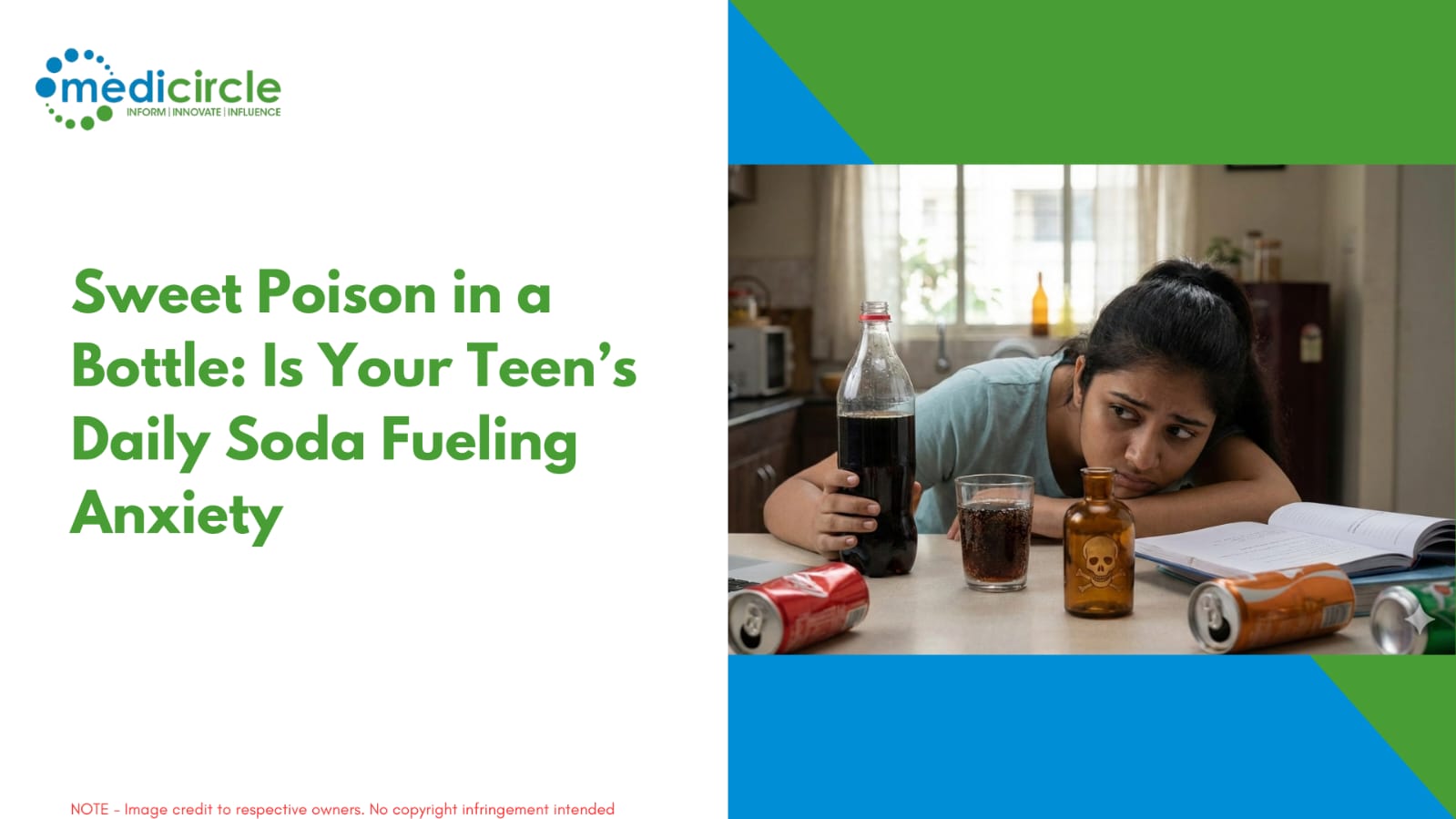
 The brightly packaged beverage may promise energy and excitement but science suggests that its long-term impact on adolescent mental health could be less uplifting




A brightly coloured can in the hand of a teenager may look harmless, even ordinary. It is sold as refreshment, energy, fun, and sometimes as a badge of belonging. Behind the fizz and flavour, an uncomfortable question is emerging in the world of adolescent mental health: could that daily dose of sugar shape the emotional well-being of an entire generation?
Mental health disorders among teenagers are climbing at a pace that worries doctors, educators, and parents alike. According to the World Health Organization, around one in seven young people between the ages of 10 and 19 live with a mental health condition. Many of these cases remain undiagnosed and untreated. Depression, anxiety disorders, and behavioural disturbances are now among the leading causes of illness and disability in adolescents. Even more alarming is the reality that suicide ranks among the top causes of death in young people aged 15 to 29 years. These numbers are not abstract statistics. They represent classrooms filled with silent struggles.
In the midst of conversations about screen time, academic pressure, and social media comparison, a quieter factor is gaining scientific attention: diet. Specifically, the growing consumption of sugar-sweetened beverages among teenagers. A recent study conducted by researchers at Bournemouth University has added a new layer to this discussion. Published in the Journal of Human Nutrition and Dietetics, the research suggests that adolescents who frequently consume sugary drinks may face a significantly higher risk of experiencing anxiety symptoms.
The researchers examined data from multiple earlier studies exploring the connection between dietary habits and mental health outcomes. Their analysis found that teenagers who regularly consumed sugar-laden beverages had a 34 percent higher likelihood of reporting anxiety symptoms compared to those who consumed them less often. While the study does not establish direct causation, the association is strong enough to raise public health concerns.
The beverages considered in the research were not limited to carbonated sodas. Energy drinks, sweetened fruit juices, flavoured milk drinks, sugary tea and coffee preparations, and concentrated squashes were also included. These products share a common feature: high sugar content combined with minimal nutritional value. They deliver a rapid surge of glucose into the bloodstream, followed by an equally swift crash. For a developing adolescent brain, such fluctuations may have deeper consequences than previously understood.
Teenage years are marked by intense biological and psychological changes. The brain undergoes rapid development, particularly in areas related to emotional regulation and impulse control. Stable nutrition supports this complex growth. Diets high in refined sugar may interfere with this process. Excessive sugar intake has been shown to influence inflammation levels, alter gut microbiota, and disrupt neurotransmitter balance. Each of these pathways has been implicated in anxiety and mood disorders.
The concept of the gut-brain axis is gaining recognition in mental health research. The trillions of microorganisms residing in the digestive tract communicate with the brain through neural, hormonal, and immune pathways. Diet plays a central role in shaping this microbial ecosystem. A high-sugar diet can disturb this balance, potentially affecting mood and stress responses. While more research is needed to clarify the mechanisms, the biological plausibility of the link between sugary drinks and anxiety is becoming harder to dismiss.
Public health discussions have long focused on the physical consequences of sugar consumption. Obesity, type 2 diabetes, dental decay, and cardiovascular disease are well-established outcomes. What has received far less attention is the potential psychological impact of these beverages. For many adolescents, a can of soda or an energy drink is part of daily routine. Marketing campaigns position these drinks as enhancers of performance and social appeal. Beneath the branding lies a nutritional profile that may be working against mental stability.
Anxiety disorders in teenagers often present as persistent worry, restlessness, irritability, difficulty concentrating, and sleep disturbances. These symptoms can interfere with academic performance, relationships, and overall quality of life. When such patterns begin early, they may extend into adulthood, increasing the risk of chronic mental health issues. Identifying modifiable lifestyle factors becomes essential in prevention strategies.
It is important to approach these findings with scientific caution. The review conducted by the Bournemouth University team analysed existing studies rather than performing a controlled clinical trial. This means it cannot prove that sugary drinks directly cause anxiety. Other variables may be involved. Teenagers who consume more sugary beverages might also have other lifestyle habits that contribute to mental health challenges, such as poor sleep, limited physical activity, or high levels of stress. Nonetheless, the consistent association observed across multiple datasets cannot be ignored.
Dr. Chloe Casey, a nutrition researcher involved in the study, emphasised that public health initiatives have traditionally concentrated on visible outcomes like weight gain and metabolic disorders. The emotional consequences of diet have remained comparatively underexplored. In recent years, however, the surge in adolescent anxiety has prompted researchers to look beyond conventional risk factors. Diet, as a daily and modifiable behaviour, stands out as a promising area for intervention.
The modern teenage diet often reflects convenience and accessibility rather than nutritional balance. Sugary drinks are inexpensive, widely available, and aggressively marketed. In many schools and neighbourhoods, healthier alternatives are harder to access. Adolescents may consume these beverages during study sessions, sports activities, or social gatherings, sometimes unaware of the cumulative sugar intake. A single energy drink can contain as much sugar as several teaspoons dissolved into one serving.
High sugar intake triggers rapid spikes in blood glucose levels. This leads to a surge in insulin, followed by a drop in blood sugar. Such fluctuations can produce symptoms that resemble anxiety, including palpitations, shakiness, and mood swings. Over time, repeated cycles may affect stress hormone regulation. The body’s cortisol response, central to the stress reaction, may become dysregulated in individuals with consistently high sugar consumption.
Beyond anxiety, sugary drinks contribute to a range of chronic health conditions. Rising rates of adolescent obesity have been closely linked to excessive intake of sugar-sweetened beverages. Obesity in adolescence increases the likelihood of type 2 diabetes, hypertension, and early cardiovascular disease. These physical health issues can in turn influence mental well-being, creating a cycle where physical and psychological health challenges reinforce each other.
There is also evidence suggesting that diets high in sugar may increase systemic inflammation. Chronic inflammation has been associated with depressive symptoms and cognitive disturbances. Although the exact pathways remain under investigation, the emerging field of nutritional psychiatry highlights how dietary patterns shape mental health outcomes.
Parents and educators often focus on academic performance and social behaviour without examining dietary habits as part of the mental health picture. A teenager struggling with anxiety may be offered counselling or medication, yet their daily consumption of high-sugar beverages may go unnoticed. Addressing mental health requires a comprehensive lens that includes nutrition, sleep hygiene, physical activity, and emotional support.
Public health policies have begun to respond to the growing evidence against sugary drinks. Some countries have implemented sugar taxes to reduce consumption. Educational campaigns encourage water and unsweetened beverages as healthier alternatives. Schools are increasingly reviewing vending machine contents. However, behavioural change at the individual level remains challenging in a culture where sugary drinks are deeply embedded in youth marketing.
The findings from the Bournemouth University study invite a broader societal reflection. If mental health disorders among adolescents are escalating, and if dietary habits play a role, then prevention strategies must evolve. Reducing sugary drink consumption may appear like a small step, yet when applied across millions of young people, its impact could be substantial.
Paediatricians and family physicians can guide families on reducing sugar intake. Schools can incorporate nutritional education into wellness programmes. Teenagers themselves, when informed with clear and relatable information, can make empowered choices.
The allure of sugary drinks lies in their immediate gratification. The cost of frequent consumption, however, may unfold gradually. Anxiety does not develop overnight, and neither do most lifestyle-related health conditions. They emerge from patterns repeated day after day.
As research continues to explore the intricate relationship between diet and mental health, one message becomes clear: what we drink matters. The teenage brain is still under construction. It deserves nourishment that supports resilience rather than undermines it.
The brightly packaged beverage may promise energy and excitement. Yet the science suggests that its long-term impact on adolescent mental health could be less uplifting. In a world searching for solutions to the teenage anxiety epidemic, perhaps part of the answer lies in rethinking what fills our glasses





-23-300x250.png)

.jpeg)








.jpg)
.jpg)
.jpg)
.jpg)
.jpg)
.jpg)
.jpg)
.jpg)
.jpg)

