Tuesday, October 27, 2026
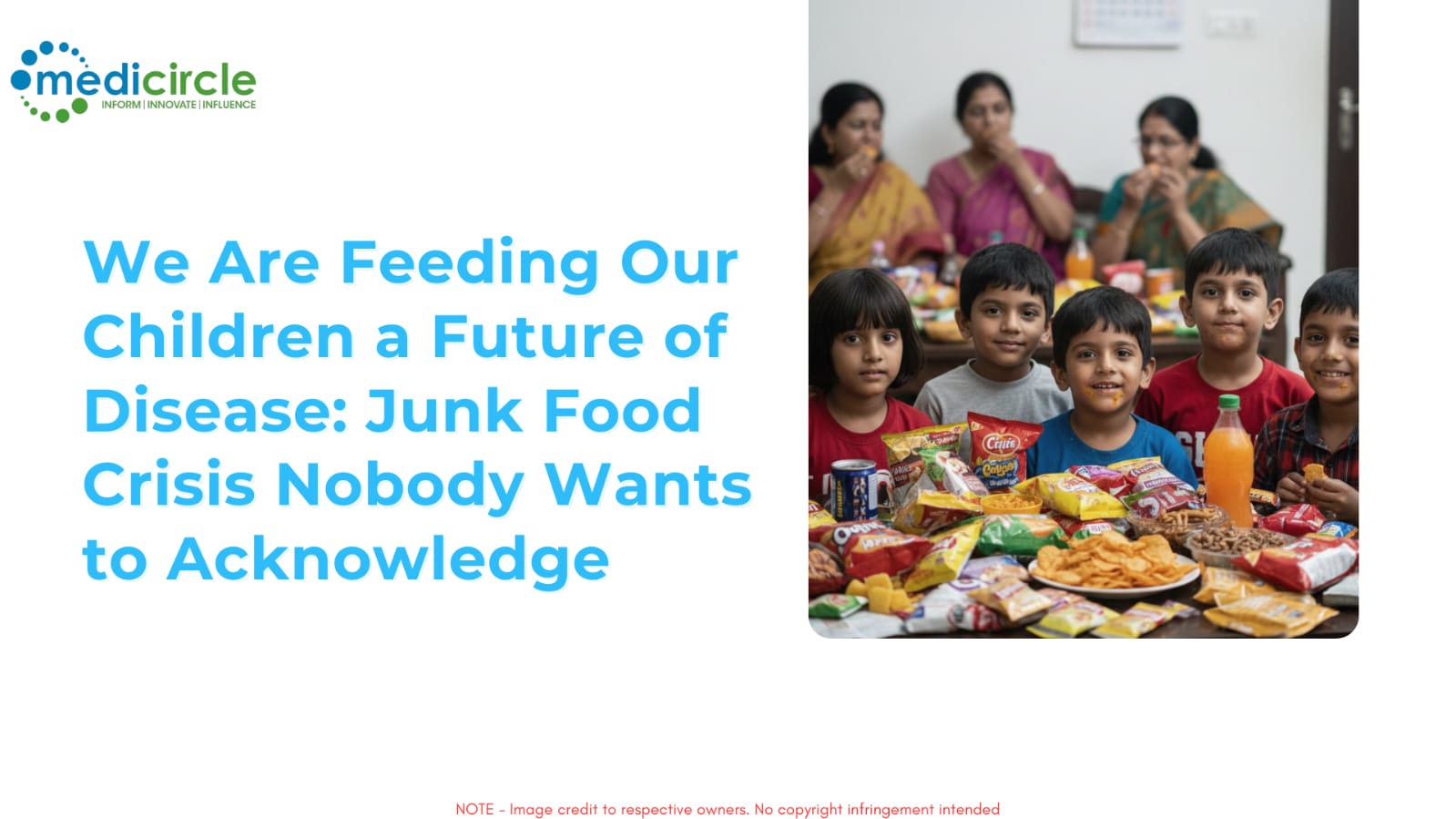
 Ultra-processed foods may promise speed, taste, and modernity, but they carry hidden costs that surface slowly, often years later, in clinics and hospital wards.




Walk through any Indian city, small town, or even a remote village today, and the change is hard to miss. Shelves once dominated by grains, pulses, fresh snacks, and homemade treats are now crowded with shiny packets promising instant taste, instant energy, instant happiness. Biscuits replace breakfasts, instant noodles stand in for dinner, flavoured drinks masquerade as hydration, and brightly coloured cereals claim to be “healthy”. Behind this glossy convenience lies a troubling reality that India is only beginning to confront. Ultra-processed foods, or UPFs, have moved from being an occasional indulgence to a daily staple, and the consequences are showing up quietly but relentlessly in our bodies.
The Economic Survey for 2025–26 laid bare the scale of this shift. In just over a decade, the market share of ultra-processed foods in India has surged by nearly 150 percent. Retail sales that stood at under a billion dollars in the mid-2000s exploded to almost 38 billion dollars by 2019. This growth mirrors a deeper transformation in how Indians eat, shop, and think about food. What was once prepared in kitchens is now assembled in factories, engineered for shelf life, taste intensity, and profit rather than nourishment.
Ultra-processed foods are not simply packaged foods. They are industrial formulations created through multiple stages of processing, stripped of natural fibre and nutrients, and loaded with refined sugars, unhealthy fats, salt, emulsifiers, flavour enhancers, and synthetic additives. Biscuits, instant noodles, packaged ice creams, sugary beverages, instant soups, and many breakfast cereals fall squarely into this category. These products are designed to be irresistibly tasty, cheap, and convenient, making them difficult to resist and easy to overconsume.
India’s rapid urbanisation, rising incomes, longer working hours, and aggressive marketing have all fuelled this dietary shift. Busy lives leave little room for cooking, and UPFs step in as a quick fix. What makes this trend especially dangerous is that it cuts across class, geography, and age. Ultra-processed foods are no longer a symbol of affluence alone. They are equally common in low-income households, where they often appear cheaper and more filling than fresh food.
As UPF sales have risen, so has obesity. The connection is no longer speculative. The Economic Survey and global research point to a clear overlap between the growth of ultra-processed food consumption and the rise of non-communicable diseases. Obesity, once considered a problem of wealthy nations, has firmly taken root in India. National Family Health Survey data shows that nearly one in four adult Indians is now overweight or obese. Among women aged 15 to 49, the numbers are even more worrying. Children are no longer spared. The proportion of children under five with excess weight has increased steadily, signalling the start of health problems much earlier in life.
This is not just about body weight. Obesity increases the risk of diabetes, heart disease, hypertension, fatty liver disease, joint disorders, and certain cancers. India already carries one of the world’s heaviest burdens of diabetes and cardiovascular disease. Ultra-processed foods are quietly pouring fuel on this fire. Research published in leading medical journals has repeatedly shown that diets high in UPFs are linked to higher calorie intake, poorer nutrient quality, insulin resistance, and chronic inflammation.
One of the most insidious features of ultra-processed foods is how they override the body’s natural signals. These products are engineered to be “hyper-palatable”. The perfect balance of salt, sugar, fat, and texture tricks the brain into wanting more, even when the stomach is full. Traditional foods, rich in fibre and natural nutrients, trigger satiety. UPFs do the opposite. They encourage mindless eating, often straight from the packet, with little awareness of portion size or nutritional value.
Marketing plays a decisive role in this transformation. Ultra-processed food brands invest heavily in advertising that links their products to happiness, success, fitness, and even family bonding. Children and adolescents are prime targets. Cartoon characters, celebrity endorsements, gaming tie-ins, and social media campaigns create emotional connections long before children can understand nutrition labels. The Economic Survey flagged how many advertisements openly encourage overconsumption, portraying large portions as normal and desirable.
India does have regulations against misleading food advertisements, but enforcement remains weak. Nutritional claims are often buried in fine print, while bold front-of-pack messages suggest health benefits that the product does not truly offer. A cereal high in sugar may advertise added vitamins. A sugary drink may promote energy or refreshment. The overall nutritional harm gets lost in clever storytelling.
The World Obesity Atlas has projected that India’s number of obese children could more than double in the next decade. This means a future generation entering adulthood with higher risks of chronic illness, reduced productivity, and increased healthcare costs. For a country already struggling with unequal access to healthcare, the economic and social burden could be immense.
What makes the UPF crisis particularly complex is that it is deeply embedded in modern lifestyles. These foods are affordable, widely available, and socially accepted. Many households see them as treats for children or time-saving options for working parents. There is also a perception that packaged equals safe and hygienic, especially when compared to street food. While food safety is important, it should not come at the cost of long-term health.
The Economic Survey did more than simply highlight the problem. It pointed towards policy measures that could help reverse the trend. One suggestion was stronger regulation of food marketing, especially during hours when children are most likely to be exposed. A proposed ban on UPF advertisements from early morning to late night across media platforms reflects growing recognition that voluntary restraint by industry is unlikely to work.
Another recommendation was the introduction of clear warning labels on food packets. Countries that have implemented front-of-pack warning systems, highlighting high sugar, salt, or fat content, have seen shifts in consumer behaviour. Such labels cut through marketing noise and offer quick, understandable information at the point of purchase. For Indian consumers, many of whom may not read detailed nutritional tables, this could be a powerful tool.
Taxation is another lever under discussion. Placing ultra-processed foods in the highest GST slab or adding health surcharges based on sugar, salt, and fat thresholds could discourage excessive consumption while generating revenue for public health programmes. Critics argue that such measures may disproportionately affect lower-income consumers. Supporters counter that the long-term healthcare costs of unchecked UPF consumption are far higher and that revenues could be used to subsidise healthier foods.
Beyond regulation, there is a need for cultural change. India has a rich tradition of diverse, balanced diets rooted in local ingredients and seasonal cooking. Reviving respect for home-cooked meals, traditional snacks, and mindful eating is as important as policy reform. Schools can play a crucial role by improving the quality of mid-day meals, restricting the sale of junk food near campuses, and incorporating nutrition education into curricula.
Healthcare professionals also have a part to play. Doctors often focus on treating diabetes, hypertension, and heart disease without addressing the dietary patterns that drive them. Conversations about ultra-processed foods, reading labels, and cooking habits should become a routine part of clinical care, especially for young patients and parents.
The rise of ultra-processed foods in India is not a sudden invasion. It is the result of years of gradual shifts, clever marketing, and changing lifestyles. Reversing it will require sustained effort from policymakers, industry, healthcare systems, and individuals. There is no single solution, and no quick fix. What is clear, though, is that ignoring the problem is no longer an option.
India stands at a crossroads. One path leads to convenience-driven diets, rising obesity, and a future weighed down by chronic disease. The other demands conscious choices, stronger regulation, and a renewed connection with real food. The numbers revealed by the Economic Survey are a warning that what we eat today is shaping the nation’s health tomorrow.
Ultra-processed foods may promise speed, taste, and modernity, but they carry hidden costs that surface slowly, often years later, in clinics and hospital wards. The question India must now confront is whether it is willing to trade short-term convenience for long-term wellbeing. The answer will determine whether the country eats its way into a healthier future or continues down a path where illness becomes the price of modern living




-23-300x250.png)

.jpeg)






.jpg)
.jpg)
.jpg)
.jpg)
.jpg)
.jpg)
.jpg)
.jpg)
.jpg)