 Thursday, October 08, 2026
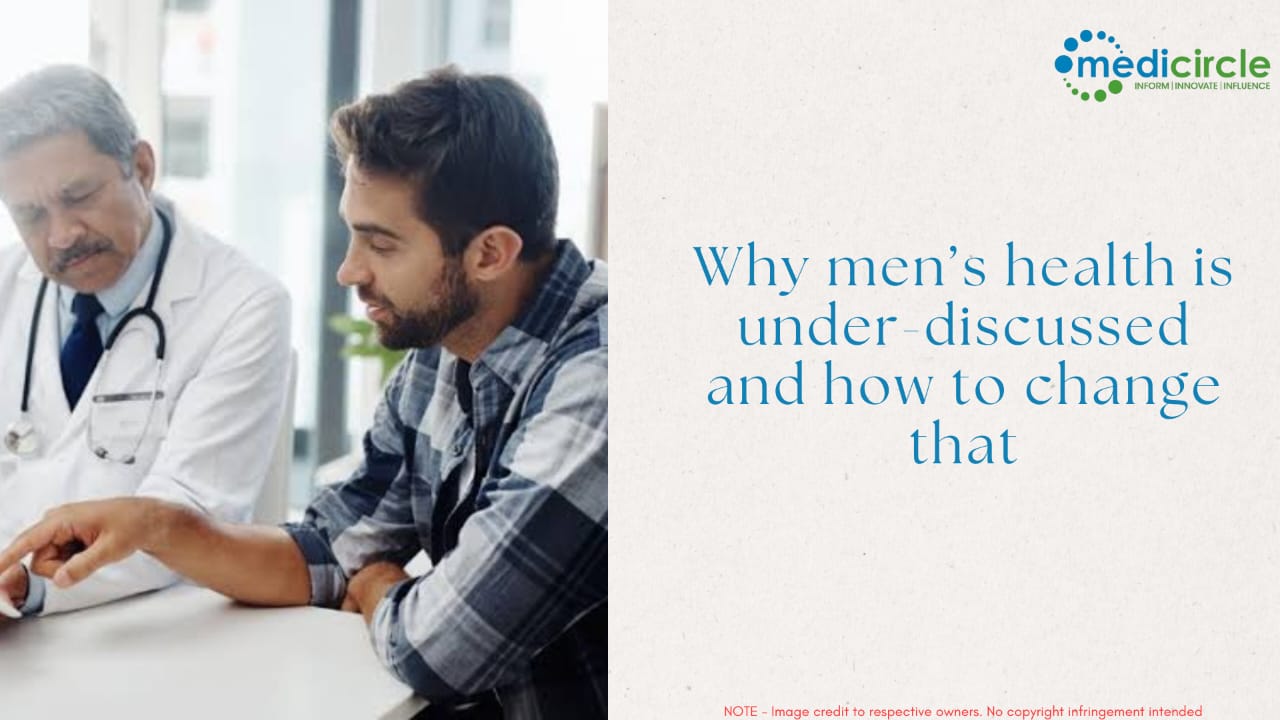
 Men’s health in India is often neglected due to social conditioning and silence. This article explores the causes, consequences and practical ways to normalize preventive care through conversation and shared responsibility.




It is a quiet crisis, one that unfolds in the background of our busy lives. In India, the health of men is frequently met with silence. We celebrate strength, endurance and the ideal of the unwavering provider, but often this very ideal becomes a barrier. Talking about aches, anxieties or the need for a simple check-up can feel like an admission of failure. This is not just about social habits; it is a critical health issue. When silence prevails, warning signs are ignored, doctor visits are postponed and treatable conditions can become serious. Let us explore why this silence persists and more importantly, how we can start to change it, one honest conversation at a time.
Roots of the silence:
To understand why men hesitate, we need to look at the fabric of our society. From a young age, many boys are taught a specific script: be strong, do not cry and solve your own problems. This conditions men to see themselves as unyielding anchors for their families. Their role is to support, not to seek support. Expressing vulnerability, especially about health, can feel like it undermines this core identity. There is a pervasive belief that a man’s worth is linked to his physical stamina and silent endurance.
This mindset has real and measurable consequences. It leads to skipped screenings, dismissed symptoms, and a mantra of “I will deal with it later.” The statistics tell a clear story: men are far less likely than women to engage in preventive healthcare. They often walk into a clinic only when a problem can no longer be ignored, which is precisely when treatment is more complex. Modern healthcare wisdom, which focuses on early detection and prevention is completely at odds with this tough it out culture. The first step to healing is breaking this outdated link between masculinity and neglect.
Turning the tide:
Changing this deep-rooted pattern will not happen overnight, but it can happen. It requires a shift in perspective, language and support systems. We must collectively reframe the conversation. Looking after your health is not a sign of weakness; it is the ultimate act of responsibility and strength. It is about being there for your children’s future, contributing at work for the long term and enjoying life fully. It is, in essence, prudent self-care.
Knowledge is the first spark. Clear, relatable information is a powerful tool against fear. When men understand how daily choices impact heart health over decades or can recognize the early whispers of common issues, the unknown becomes manageable. Increasing health literacy dismantles stigma. Furthermore, we must make the private public. When a cricket star talks about his fitness regime beyond the gym or when a colleague mentions his annual health screening casually, it normalizes the act. These small moments chip away at the taboo.
Change can be driven from two powerful centers: our workplaces and our homes. Forward-thinking companies are now integrating well-being into their core culture by hosting expert talks, offering on-site health checks and creating policies that support mental health. At home, the dialogue can be softer but just as powerful. A partner saying, “I have booked my test; let us book yours together,” transforms health from a solitary chore into a shared family value. It is partnership, not pressure.
Building a healthier future:
The goal is not to point fingers but to build bridges. Creating an environment where men feel it is not just acceptable, but intelligent, to prioritize their health is key. The message must be consistent: prevention is a sign of wisdom, not worry. By combining education, normalizing these conversations in our communities, media and creating supportive ecosystems at work and home, we can build a new normal.
This is where platforms dedicated to genuine wellness communication play a crucial role. They offer a trusted, accessible space to learn and to understand how lifestyle shapes longevity or how modern preventive care works. They provide the starting point for that first conversation. And it always starts with one. Maybe it is forwarding this article to a friend, making that appointment you have postponed or asking a simple, sincere question to the men in your life: how are you really feeling? It is time to turn the quiet struggle into an open, healthy dialogue. Our collective well-being depends on it.






.jpeg)








.jpg)
.jpg)
.jpg)
.jpg)
.jpg)
.jpg)


.jpg)
.jpg)
.jpg)