 Tuesday, October 27, 2026
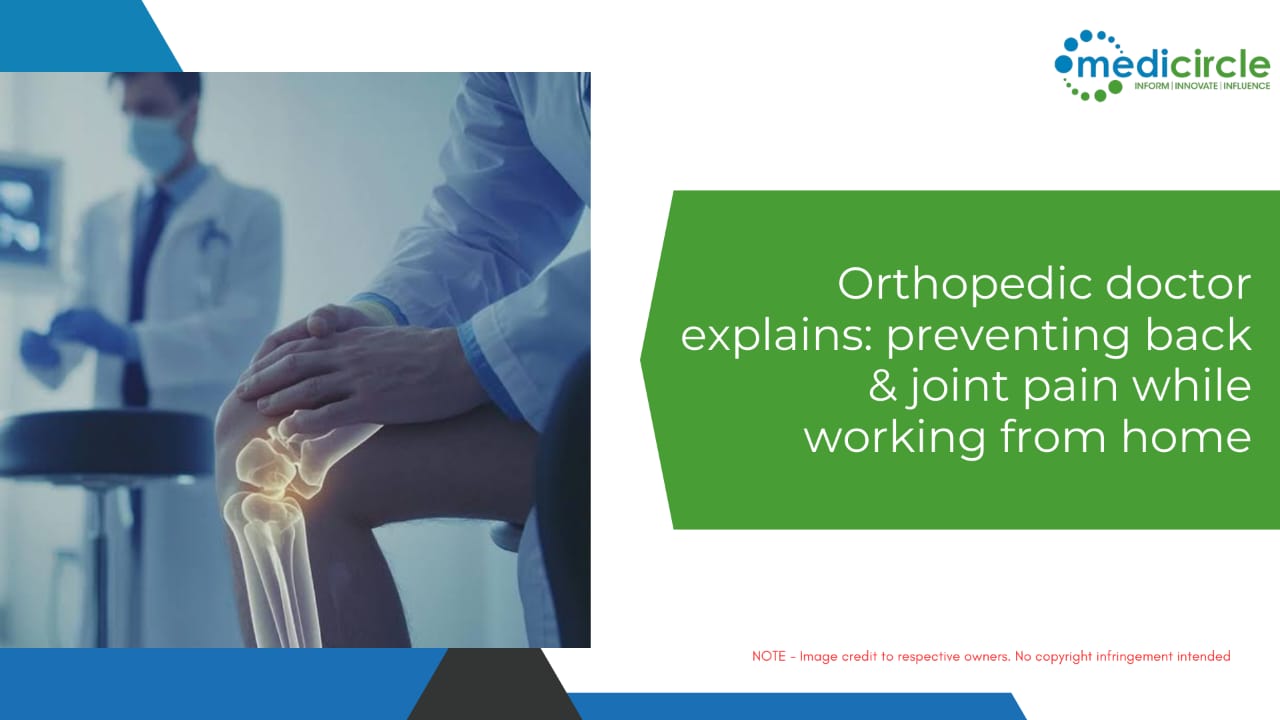
 This article explains how simple workspace adjustments, posture awareness, movement habits and timely medical attention can significantly reduce work from home related orthopedic discomfort and protect long-term musculoskeletal health.




Many of us welcomed the shift to working from home, but our backs and joints certainly did not. That nagging stiffness in your neck by lunchtime or the deep ache in your lower back as you finish up for the day has become a common, unwelcome companion for countless remote workers. If this sounds familiar, you are far from alone. This discomfort is your body's signal that something in your setup needs to change.
The reassuring truth is that you hold the power to fix it. You do not need an expensive ergonomic chair or a fancy standing desk to make a world of difference. Often, it is about understanding the simple relationship between your posture, your workspace and your movement habits.
Building your workspace:
Let us begin with where you work. That cozy sofa or the bed might seem inviting, but they are the biggest culprits behind back and joint pain. These soft surfaces offer no support, letting your spine slump into strained curves for hours on end.
Your goal is simple: create a space that lets your spine hold its natural S shape. If you use a laptop, this is your first fix. Place it on a pile of books or a stable box so the top of the screen is level with your eyes. This one change stops you from constantly craning your neck forward, a major cause of shoulder tension. Your elbows should rest comfortably by your side, forming a loose right angle at the keyboard. Notice your feet; if they are dangling, place a small stool or a stack of books under them. This support for your feet is a direct support for your lower back.
Movement matters most:
Here is a piece of advice every orthopedic specialist would echo: your best defense against pain is not a chair, but movement. The human body was not designed to be static for eight hours. The real enemy is staying frozen in one position, no matter how good that position seems.
Break up your sitting. Set a simple timer on your phone for every 45 minutes. When it goes off, get up. The mission is not strenuous; walk to get a glass of water, stand and look out the window for a minute or pace a little during a phone call. These tiny breaks are incredibly powerful. They circulate blood, ease tight muscles and give your posture a chance to reset. Think of it as hitting the refresh button for your body multiple times a day.
Easy desk stretches:
You can weave these three simple stretches into those short breaks. They target the areas that tighten up most when we sit.
Opening the chest: Find a doorway, pace your hands on the frame at shoulder height and take a small step forward. You will feel a gentle stretch across your chest and the front of your shoulders. This directly counters the hunched over computer posture we all fall into.
Releasing the hips: While seated, cross your right ankle over your left knee. Sit up tall and if you feel a stretch in your right hip already, hold there. To go deeper, lean your chest forward slightly. Hold, then switch sides. This relieves pressure on the lower back.
Resetting the neck: Sit straight. Gently and slowly draw your head straight back, keeping your eyes forward, as if you are making a polite double chin. Hold for a few seconds, then release. Repeat this a few times. It strengthens the muscles that hold your head up and fights neck strain.
Look for red flags:
While most aches from sitting will improve with these mindful changes, it is crucial to listen to your body's sharper warnings. If you feel a shooting pain down your arm or leg, experience numbness or tingling or if a severe pain simply does not ease up after a couple of weeks of self-care, it is time to seek a professional opinion.
Persistent joint pain, in particular deserves proper attention. A consultation with an orthopedic doctor can provide a clear diagnosis. Modern orthopedic care offers a wide range of solutions, from tailored physiotherapy programmes that rebuild strength to advanced, minimally invasive surgical techniques for more serious conditions. The goal is always the same: to restore your mobility and a life free from limiting pain.
In the end, working from home healthily is not about creating a perfect, clinical office. It is about building awareness. It is the small, consistent decisions to adjust your screen, to stand up and stretch, to listen to a twinge before it becomes a shout that truly protect your body. By taking these steps, you are not just avoiding pain; you are investing in your long-term well-being, ensuring you stay as active and comfortable in life as you need to be at your desk.





-23-300x250.png)

.jpeg)








.jpg)
.jpg)
.jpg)
.jpg)
.jpg)
.jpg)
.jpg)
.jpg)
.jpg)

