Wednesday, October 28, 2026
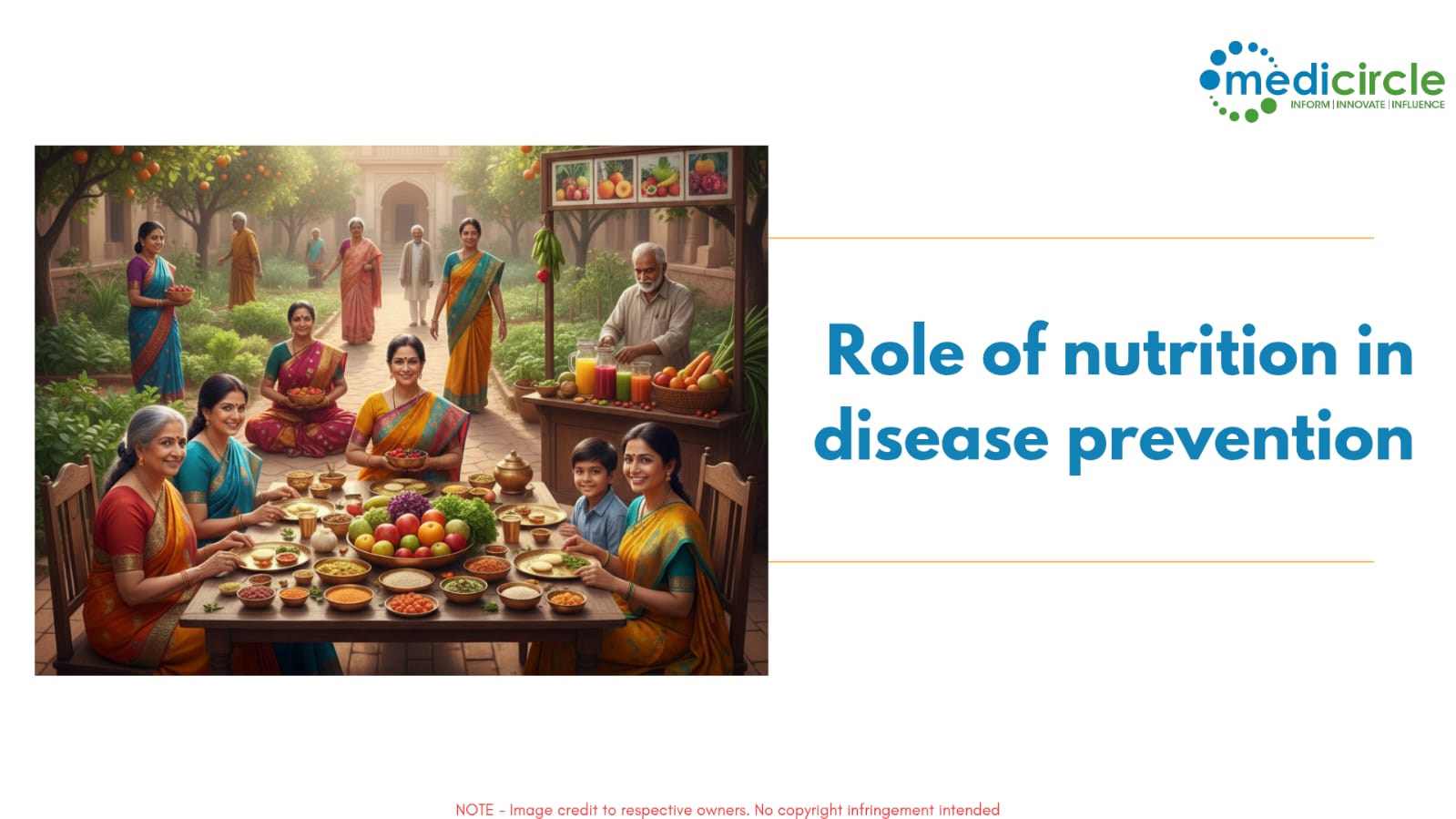
 Daily food choices act as preventive medicine, shaping immunity, metabolism and long-term wellbeing through simple traditional Indian ingredients, mindful cooking habits and small sustainable dietary improvements.




We often eat to stop hunger pangs, to enjoy a flavor or simply out of habit. But what if we paused to consider a deeper purpose? What if the most powerful medicine we take each day is not from a bottle, but from our kitchen? The age-old saying, you are what you eat, holds a profound truth that modern science continues to affirm. For the Indian audience, with our rich culinary heritage, this is not about adopting foreign diets; it is about recognizing the inherent power in our daily roti, dal, sabzi and spices to prevent illness and build lasting health.
Think of your body as a complex, living machine. The food you consume provides the raw materials for its every function. The right nutrients act like skilled workers, repairing tissues, powering your immune system and keeping your energy stable. On the other hand, consistently poor choices, like excessive refined sugar, unhealthy fats and processed foods, create internal chaos. This chaos, often seen as inflammation or metabolic imbalance is the quiet beginning of many chronic conditions such as diabetes, heart disease and hypertension. Your diet, therefore is not just about taste; it is a direct conversation with your body’s long-term wellbeing.
Nature’s toolkit:
You do not need exotic superfoods. Protection against disease is built from simple, accessible ingredients that already exist in most Indian kitchens.
Antioxidants explain why elders insisted on colorful vegetables. Fruits and vegetables such as berries, tomatoes, spinach, baingan and palak are rich in antioxidants. They fight oxidative stress, a process that damages cells over time, much like rust damages iron. Including a variety of colors in your meals strengthens this natural cellular defense system.
Fiber acts as a master regulator. Found in whole grains like jowar and bajra, legumes such as rajma and chana and all vegetables, fiber aids digestion, moderates blood sugar spikes by slowing absorption and supports gut health. A healthy gut is now known to be central to overall immunity. Swapping refined maida for whole wheat atta is a simple yet powerful step.
Healthy fats deserve reconsideration. The belief that all ghee or oil is harmful is outdated. Beneficial fats from nuts such as akharot and badam, seeds and traditional oils like mustard or groundnut oil support brain health, help absorb fat-soluble vitamins and reduce harmful inflammation. The key lies in moderation and wise selection.
Indian cooking already incorporates healing spices. Haldi, with its active compound curcumin is a well-known anti-inflammatory. Adrak supports digestion and lasan has antimicrobial properties. Using these spices regularly is not just cooking; it is daily preventive care rooted in tradition.
From knowledge to your kitchen:
Knowing what to eat is one thing; applying it consistently in a busy life is another. The goal should be progress, not perfection. Start with one small, sustainable change.
Could your family include one multigrain atta chapati per meal? Can an extra handful of peas or carrots be added to the weekly pulao? Instead of fried snacks, could seasonal fruit or roasted makhana become a routine option? These small changes accumulate into meaningful health benefits.
Planning makes a difference. A simple weekly meal list can reduce last-minute unhealthy decisions. Involving the family turns nutrition into a shared commitment rather than an individual burden. Practical tools matter too. Reliable, evenly heating cookware such as good quality stainless steel or non-stick pans simplifies healthy cooking and makes it more enjoyable. When home cooking becomes easier, control over ingredients naturally improves.
While these principles form a strong foundation, individual needs vary. A growing child, an active adult and someone managing conditions like PCOS or high blood pressure require different nutritional approaches. Trusted guidance matters. Using credible health platforms and consulting a nutritionist or doctor can help translate general knowledge into a personalized plan that fits your family’s unique health journey.
The last bite:
Viewing food as the foundation of health is deeply empowering. It gives you an active role in shaping your vitality every day. You are not just feeding today’s hunger; you are investing in tomorrow’s resilience. Begin with mindful awareness at your next meal. Choose whole grains, value local vegetables and appreciate healing spices. Let your plate reflect care for yourself and those you love. The most important ingredient in any meal is the intention to nurture wellbeing. Long-term health is built bite by bite, day by day, right in your kitchen.





-23-300x250.png)

.jpeg)






.jpg)
.jpg)
.jpg)
.jpg)
.jpg)
.jpg)
.jpg)
.jpg)
.jpg)