 Tuesday, October 27, 2026
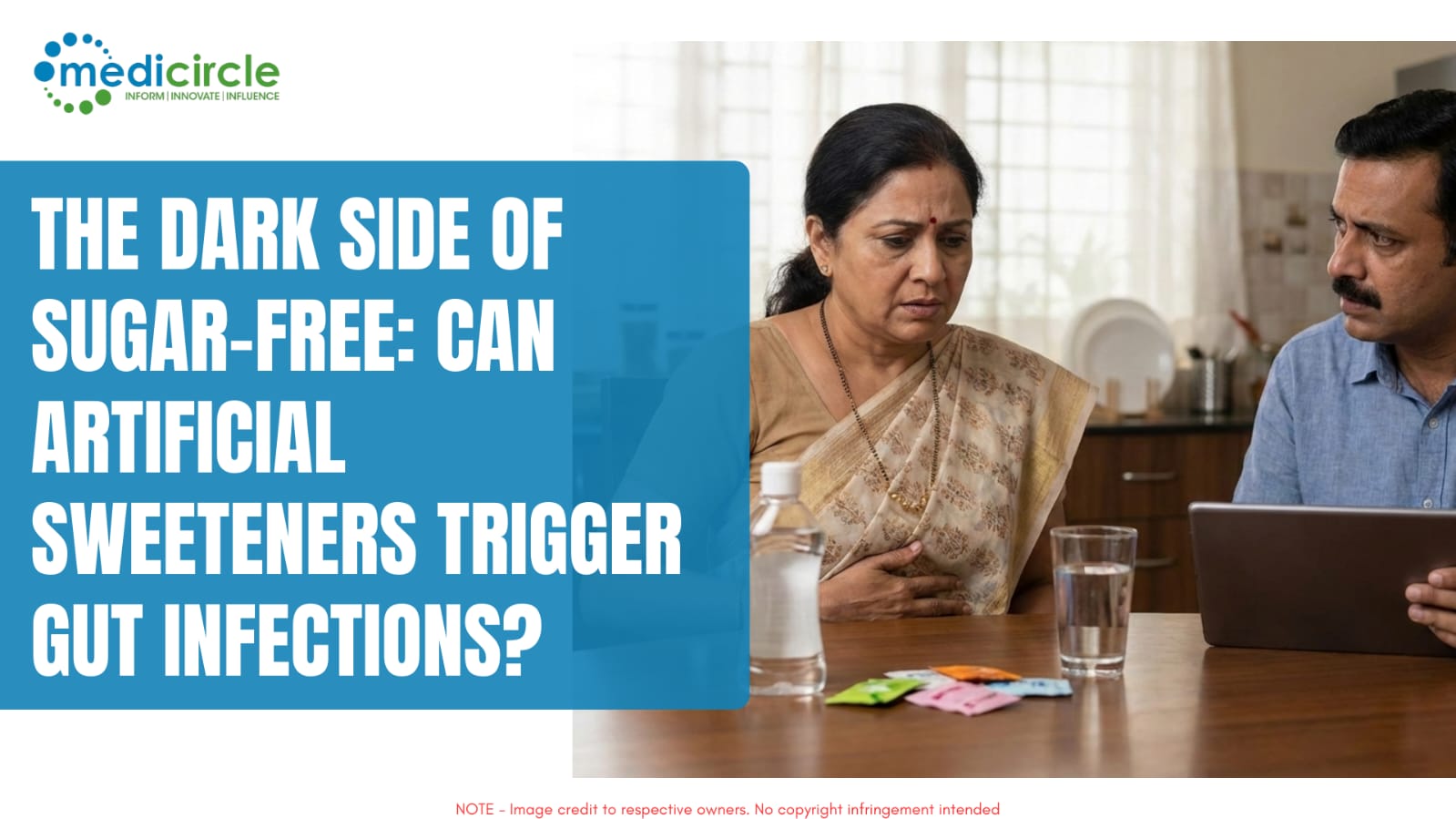
 Modern dietary patterns are shaped by convenience, marketing, and technological innovation. Each additive and processing technique may carry unforeseen biological consequences.




For years, artificial sweeteners have been marketed as a smarter alternative to sugar. In a world battling rising rates of obesity, type 2 diabetes, and metabolic syndrome, products labeled “sugar-free” or “diet” have appeared to offer a safe compromise. From low-calorie soft drinks to protein bars and chewing gum, non-nutritive sweeteners such as saccharin, sucralose, and aspartame have become part of daily consumption for millions. They promise sweetness without the calories and indulgence without the metabolic consequences.
A recent laboratory investigation published in the International Journal of Molecular Sciences has added a new layer of concern to the ongoing debate about artificial sweeteners. Researchers from Anglia Ruskin University examined how three widely consumed sweeteners (saccharin, sucralose, and aspartame) interact with common gut bacteria. Their findings suggest that these additives may do more than alter the balance of the gut microbiome. They may actually encourage certain normally harmless bacteria to behave in ways associated with disease.
The human gut microbiota is often described as an invisible organ. Trillions of microorganisms reside in the digestive tract, playing a critical role in digestion, nutrient absorption, immune regulation, and even mental health. A healthy gut microbiome supports the intestinal barrier, helps control inflammation, and protects against harmful pathogens. Disruption of this delicate ecosystem has been linked to inflammatory bowel disease, obesity, cardiovascular disease, and autoimmune conditions.
Previous research has already indicated that artificial sweeteners can shift the composition of gut bacteria. Changes in microbial diversity have been observed in both animal and human studies, leading to questions about long-term metabolic effects. However, the latest findings go a step further. Instead of focusing solely on changes in bacterial numbers, the researchers investigated whether sweeteners could alter bacterial behavior at a molecular level.
The study centered on two types of bacteria commonly found in the human intestine: Escherichia coli and Enterococcus faecalis. These microbes usually coexist peacefully within the gut. Under certain conditions, though, they can become opportunistic pathogens. When the intestinal barrier is compromised or when bacterial virulence increases, these organisms may contribute to infection.
Using cultured human intestinal cells known as Caco-2 cells, which resemble the epithelial lining of the gut wall, the researchers exposed the bacteria to concentrations of artificial sweeteners similar to what might be consumed through two cans of a diet beverage. They then assessed how the bacteria interacted with the intestinal cells.
Exposure to saccharin, sucralose, and aspartame increased the ability of both Escherichia coli and Enterococcus faecalis to attach to intestinal cells. Adhesion is a key step in the development of infection. When bacteria adhere more effectively to the gut lining, they gain a foothold that can allow further invasion.
In addition to stronger attachment, the sweeteners appeared to encourage the formation of biofilms. Biofilms are structured communities of bacteria that adhere to surfaces and are embedded within a protective matrix. This formation enhances bacterial survival. Microbes within biofilms are more resistant to antimicrobial treatments and are often more capable of producing toxins and other virulence factors. In clinical settings, biofilm-associated infections are notoriously difficult to treat.
Perhaps even more concerning was the observation that these sweeteners promoted bacterial invasion of the intestinal cells. With one exception where saccharin did not significantly increase Escherichia coli invasion, the tested sweeteners enabled both types of bacteria to penetrate the Caco-2 cells. When gut bacteria cross the intestinal barrier, they may enter the bloodstream and spread to organs such as the liver, spleen, and lymph nodes. In severe cases, this process can lead to systemic infections and sepsis.
Sepsis remains a major global health threat, characterized by a dysregulated immune response to infection that can progress to multi-organ failure. While it would be an overstatement to suggest that drinking diet soda directly causes sepsis, the laboratory evidence raises important questions about whether chronic exposure to artificial sweeteners could weaken intestinal defenses in subtle ways over time.
The intestinal lining functions as a critical barrier between the external environment and the internal circulation. It selectively allows nutrients to pass while blocking harmful microbes and toxins. This barrier relies on tightly joined epithelial cells and a balanced microbial community. When bacteria gain enhanced invasive properties, the integrity of the gut barrier may be compromised. The concept of “leaky gut,” often discussed in integrative medicine, refers to increased intestinal permeability that allows bacterial components to enter systemic circulation, triggering inflammation.
Chronic inflammation is a recognized contributor to many modern diseases. Conditions such as inflammatory bowel disease, metabolic syndrome, and cardiovascular disease are influenced by immune activation and microbial imbalance. If artificial sweeteners can shift gut bacteria toward a more pathogenic state, this may represent an additional pathway linking diet to systemic illness.
It is important to place these findings in context. The study was conducted in a laboratory setting using cultured cells. Human bodies are far more complex. Factors such as immune responses, digestive processes, and overall diet influence outcomes in ways that cannot be fully replicated in vitro. Still, laboratory research often serves as an early warning system, identifying mechanisms that deserve further exploration in clinical studies.
Artificial sweeteners were developed to reduce sugar intake, which is strongly associated with obesity and type 2 diabetes. Excessive sugar consumption drives weight gain, insulin resistance, and fatty liver disease. Public health authorities have encouraged reduced sugar intake for decades. In that environment, non-caloric sweeteners appeared to offer a solution. They provide sweetness without raising blood glucose levels, making them attractive for individuals managing diabetes.
The gut microbiome plays a central role in regulating metabolism, appetite hormones, and inflammatory pathways. Disturbances in microbial balance may influence glucose tolerance and fat storage. Some earlier studies have suggested that certain artificial sweeteners may paradoxically impair glucose metabolism by altering gut bacteria. The new research deepens concern by suggesting direct pathogenic transformation of microbes.
Consumers often assume that products available on supermarket shelves have been thoroughly evaluated for long-term safety. Regulatory agencies assess toxicological data and determine acceptable daily intake levels. These limits are based largely on evidence related to cancer risk, organ toxicity, and acute adverse effects. The subtle influence of food additives on the gut microbiome is a relatively newer field of investigation.
Saccharin, sucralose, and aspartame are among the most extensively used artificial sweeteners worldwide. They are found in diet beverages, sugar-free desserts, flavored yogurts, protein supplements, and even some medications. For individuals trying to reduce calorie intake, these products may seem like responsible choices. However, if they influence gut bacteria in ways that increase virulence or antibiotic resistance, the broader implications merit careful consideration.
Biofilm formation, in particular, is an important concept in infectious disease. Bacteria in biofilms behave differently from free-floating cells. They communicate through chemical signals, share genetic material, and develop enhanced resilience. In medical settings, biofilms contribute to chronic infections on implanted devices and damaged tissues. If sweeteners encourage biofilm development in the gut, this could affect susceptibility to intestinal infections or complicate treatment.
Another aspect worth exploring is dose and duration. Occasional consumption of artificially sweetened products may have minimal impact. Habitual, long-term intake at higher levels could exert cumulative effects on the microbiome. Dietary patterns vary widely across populations. Some individuals consume multiple diet beverages per day for years. Longitudinal human studies are needed to assess whether such habits translate into measurable health outcomes.
The conversation around artificial sweeteners often becomes polarized. Some argue that they are essential tools in combating the obesity epidemic. Others claim they are inherently harmful. The truth likely lies in nuance. Replacing excessive sugar intake with moderate use of non-caloric sweeteners may reduce calorie consumption. However, reliance on highly processed, sweet-tasting products may perpetuate cravings and discourage shifts toward whole, minimally processed foods.
A balanced diet rich in fiber, fruits, vegetables, legumes, and fermented foods supports a diverse and resilient gut microbiome. Fiber serves as fuel for beneficial bacteria, promoting the production of short-chain fatty acids that strengthen the intestinal barrier. Natural dietary patterns that limit both added sugars and artificial additives may offer a more sustainable path to metabolic health.
Healthcare professionals are increasingly recognizing the gut microbiome as a central player in overall wellness. From mental health to immune resilience, the microbial community within the digestive tract influences systems throughout the body. When evaluating food choices, it may no longer be sufficient to focus solely on calories and macronutrients. The microbiological impact deserves equal attention.
The findings from Anglia Ruskin University highlight the need for further clinical research. Large-scale human studies examining artificial sweetener consumption, microbiome composition, intestinal permeability, and infection risk would provide valuable insight. Until such data are available, moderation appears prudent.
Reducing dependence on intense sweetness, whether from sugar or synthetic substitutes, may help recalibrate taste preferences. Gradually decreasing sweetness in beverages and foods can retrain the palate. Choosing water, unsweetened teas, and naturally flavored drinks reduces exposure to additives. Reading ingredient labels empowers consumers to make informed decisions.
Modern dietary patterns are shaped by convenience, marketing, and technological innovation. Each additive and processing technique may carry unforeseen biological consequences. The human body evolved in close relationship with whole foods and diverse microbial environments. Rapid dietary shifts challenge that equilibrium.
Artificial sweeteners were introduced as a solution to the health burden of sugar. They may still have a role when used judiciously. However, the emerging evidence that they can influence bacterial virulence and intestinal cell invasion calls for a more cautious perspective. The gut is not merely a digestive tube. It is a dynamic interface between the external world and internal physiology.
In the pursuit of better health, simple dietary patterns often prove most reliable. Emphasizing whole foods, maintaining fiber intake, staying hydrated, and limiting processed products align with longstanding nutritional wisdom. As science uncovers new dimensions of microbiome research, these principles remain relevant.
The question is no longer just whether artificial sweeteners add calories. It is whether they alter the microscopic communities that guard our intestinal barrier. As consumers, clinicians, and researchers struggle with these findings, the health of the gut deserves thoughtful protection. Choices made daily, even those that seem minor, can influence complex biological systems in ways we are only beginning to understand





-23-300x250.png)

.jpeg)






.jpg)
.jpg)
.jpg)
.jpg)
.jpg)
.jpg)
.jpg)
.jpg)
.jpg)

