 Thursday, October 08, 2026
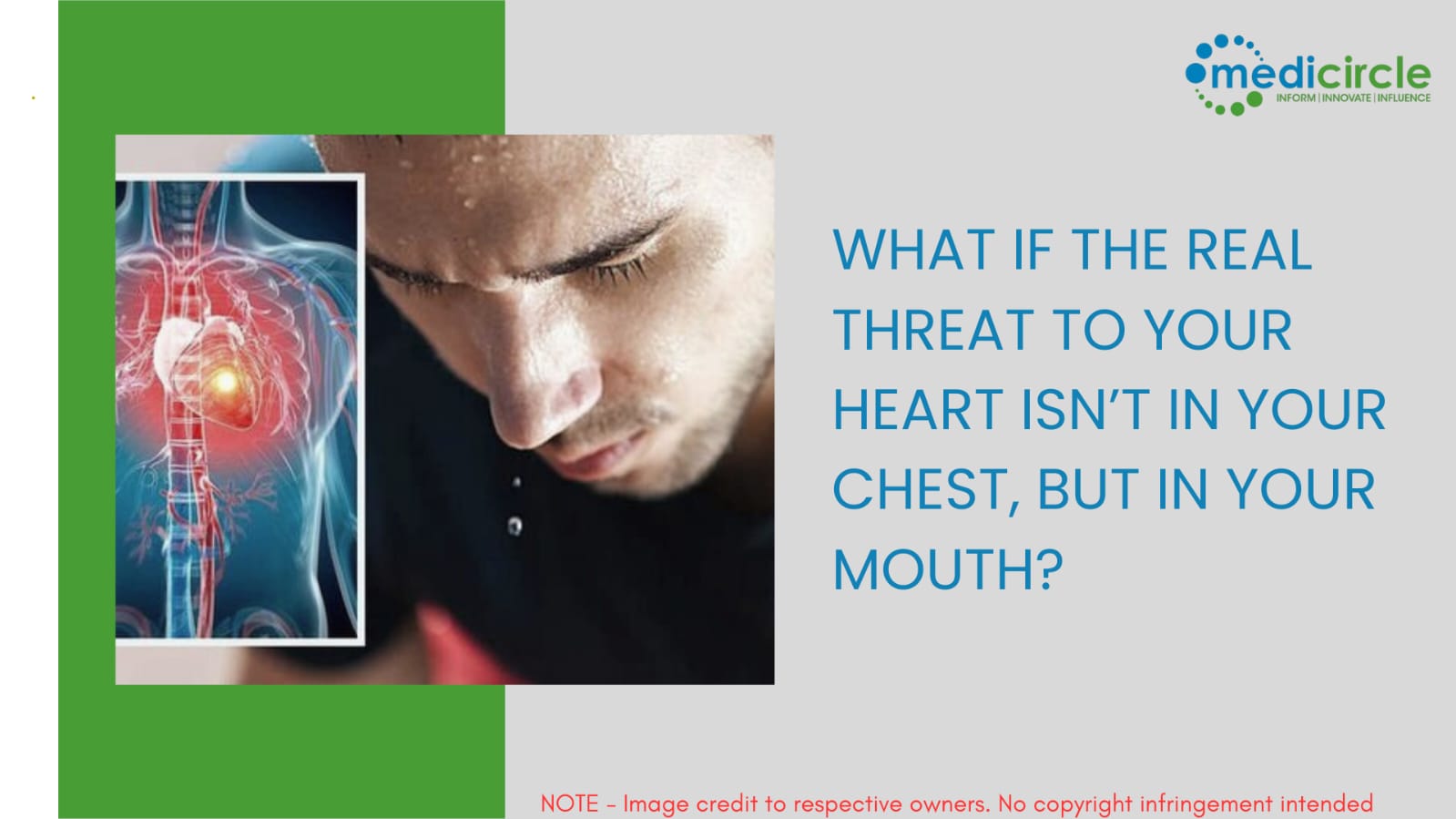
 If a simple root canal has the potential to influence blood sugar levels two years later, the health community may need to rethink where preventive healthcare truly begins.




The idea that a dental chair could influence the destiny of your heart or shape your long-term metabolic health sounds almost dramatic, yet new research suggests this possibility deserves serious attention. For years, the mouth has been treated as a separate world, disconnected from what happens in the bloodstream or the heart. But the more science tries to draw borders between organs, the more the body pushes back, revealing how deeply everything is interlinked. In a study led by researchers at King’s College London and the University of Helsinki, a group of 65 patients who underwent treatment for infected root canals experienced a surprising shift that went far beyond dental health. Their blood began to change. Inflammation markers subsided. Glucose levels gradually dipped. And as time went on, the body showed signs of restoring its balance in places far away from the infected tooth that started it all. This study has opened a provocative conversation in global health circles: could a routine dental treatment modify blood sugar control, inflammation, or even the risk of diabetes and heart disease?
The study followed patients diagnosed with apical periodontitis, a deep-rooted inflammatory condition triggered by bacterial invasion inside the tooth. Many people ignore these infections until the pain becomes unbearable, but inside the bloodstream the consequences may start much earlier. The researchers collected blood samples before treatment and then at several intervals i.e. three months, six months, one year, and two years later. These samples were checked for 44 key metabolites that relate to inflammation and metabolism. What stood out in the findings was not a single dramatic spike, but a slow, steady rebalancing of the biochemical landscape. Within just three months, the patients inflammatory markers and cholesterol showed noticeable improvement. An amino acid group closely linked with insulin resistance began to decline. Their bodies, quietly and gradually, seemed to shed a layer of metabolic stress that had gone unnoticed.
By the two-year mark, a far more striking change emerged. Blood glucose levels had decreased significantly. Pyruvate, a metabolite that influences inflammatory pathways, had also dropped. These shifts are crucial because high blood sugar is among the strongest predictors of heart attacks and strokes. When glucose stays elevated, it damages arteries, weakens the heart, and burdens organs that desperately need rest. The improvement seen in these patients suggests that removing a chronic oral infection may give the body the metabolic breathing room it needs to restore control. For an infection that hides inside a tooth, far away from the heart or pancreas, this influence is extraordinary.
The researchers are careful to clarify that the study was observational. It did not include a control group and cannot claim direct causation. Yet the patterns are compelling, especially when compared with the rising global recognition that oral health and systemic health are inseparable. The idea that bacteria from the mouth can enter circulation is not new. What is new is the clarity with which these microbes are now being seen in places they should never be such as coronary plaque. In a recently published study by researchers form King's College London and the University of Helsinki, bacteria from the oral cavity were identified inside the arteries of people with coronary artery disease. This discovery has added a new layer to the understanding of heart disease, a condition long blamed on lifestyle factors alone. If infections from the mouth can travel through the bloodstream and anchor themselves in arterial walls, the traditional narrative of cardiovascular risk will need updating.
People with chronic dental infections have been observed to face more than double the risk of coronary artery disease in some estimates. And when these infections fester for months or years, they may fuel a persistent inflammatory response inside the body. Inflammation makes vessels stiffer, thickens arterial walls, alters the way the body uses insulin, and interrupts glucose regulation. The patients in the root canal study showed clear signs that this internal inflammation had been simmering quietly. As their oral infection resolved, the inflammation eased. And as inflammation decreased, metabolic markers began to shift as well. The link between oral infection and systemic inflammation is increasingly acknowledged in scientific literature, making this study an important piece of a larger health puzzle.
The root canal itself is often misunderstood in public conversation. Some fear it, some delay it, and some view it as nothing more than a dental procedure that restores a tooth. But this research suggests that leaving an infected tooth untreated could have deeper consequences than anticipated. When tissues surrounding the root become inflamed, bacteria and their byproducts can seep into the bloodstream, triggering chemical reactions that ripple outward. These ripples affect molecules related to insulin action, lipid balance, and inflammatory response. While metabolites are complex and interconnected, thousands circulate through the blood every day, this study focused on 44 key markers. More than half showed significant improvement after treatment. That kind of shift is unusual for a single medical intervention, and it strengthens the argument that oral infections have a much wider reach than previously understood.
One of the interesting details in the findings was the early drop in cholesterol three months after treatment, which then stabilised later. This suggests that the body responds quickly to the removal of an inflammatory trigger. The glucose improvement, however, emerged only at the two-year mark, pointing to the slow, long-term healing process that follows systemic relief. This delayed effect emphasises why chronic conditions often need long observation periods to reveal their full impact. Healing does not always announce itself. Sometimes it progresses quietly, cell by cell, molecule by molecule.
Although these results are promising, the researchers stress that many metabolites remain understudied. Their exact roles are still being mapped, and long-term trials with larger populations are needed. But what cannot be ignored is the growing evidence linking oral health to cardiovascular health, metabolic health, and longevity. The mouth is an extension of the body’s internal environment, not an isolated chamber. Treating infections early, maintaining dental hygiene, and encouraging regular check-ups may impact far more than tooth pain. Diabetes prevention, heart protection, and inflammation control may all benefit from something as routine as timely dental care.
Lead author and endodontologist Dr. Sadia Niazi emphasises that dental professionals need to see themselves as part of a broader healthcare system. She encourages an approach where dentists collaborate with general practitioners to monitor patients who show early signs of systemic risk. A tooth infection should not be dismissed as a small local issue. The bloodstream does not recognise the boundaries between organ systems. When inflammation rises in one place, the rest of the body feels the pressure. India and other nations with growing rates of diabetes and heart disease could benefit enormously from integrated care models where oral health is recognised as a pillar of preventive healthcare.
The results of this study remind us that health is not a collection of separate chapters. It is a continuous story where every organ, tissue, and cell contributes to the narrative. If removing a chronic oral infection can create measurable changes in glucose regulation, cholesterol balance, and inflammation, then the mouth deserves far more attention as a gateway to metabolic health and cardiovascular stability. At a time when diabetes cases are rising sharply across the world and heart disease remains the leading cause of death, even small interventions have the power to influence big outcomes.
Understanding this link is essential for public health, especially in countries struggling with high burdens of chronic diseases. Oral infections are common, but their systemic consequences are underestimated. Public health policies often focus on diet, exercise, smoking, and early screening for diabetes and heart disease. While these efforts are vital, the role of oral hygiene rarely receives equal weight. This blind spot may be costing communities more than they realise. Simple dental care practices such as timely fillings, regular cleanings, and early treatment of deep infections could reduce the inflammatory load that creates long-term metabolic and cardiovascular stress.
Patients deserve to know that protecting their teeth might also protect their heart. They deserve healthcare systems where dentists and physicians work together rather than in separate lanes. They deserve awareness campaigns that highlight oral health as a form of preventive medicine. And they deserve research that continues to explore how interconnected the body truly is.
As more evidence accumulates, the old idea of dentistry as a standalone discipline seems outdated. The mouth is part of the body’s frontline defence, a place where beneficial and harmful microbes constantly interact with human tissues. When balance is lost here, the disturbance travels through the bloodstream, influencing processes that regulate immunity, glucose, lipids, and vascular tone. The study published in the Journal of Translational Medicine is a reminder that health does not operate in compartments. We live in one body, and every system speaks to the others in ways we are only beginning to understand.
If a simple root canal has the potential to influence blood sugar levels two years later, the health community may need to rethink where preventive healthcare truly begins. And perhaps the most provocative truth of all is that the path to a healthier heart may start in the dentist’s chair, long before it reaches the cardiologist’s office.





.jpeg)








.jpg)
.jpg)
.jpg)
.jpg)
.jpg)
.jpg)


.jpg)
.jpg)
.jpg)