Tuesday, October 27, 2026
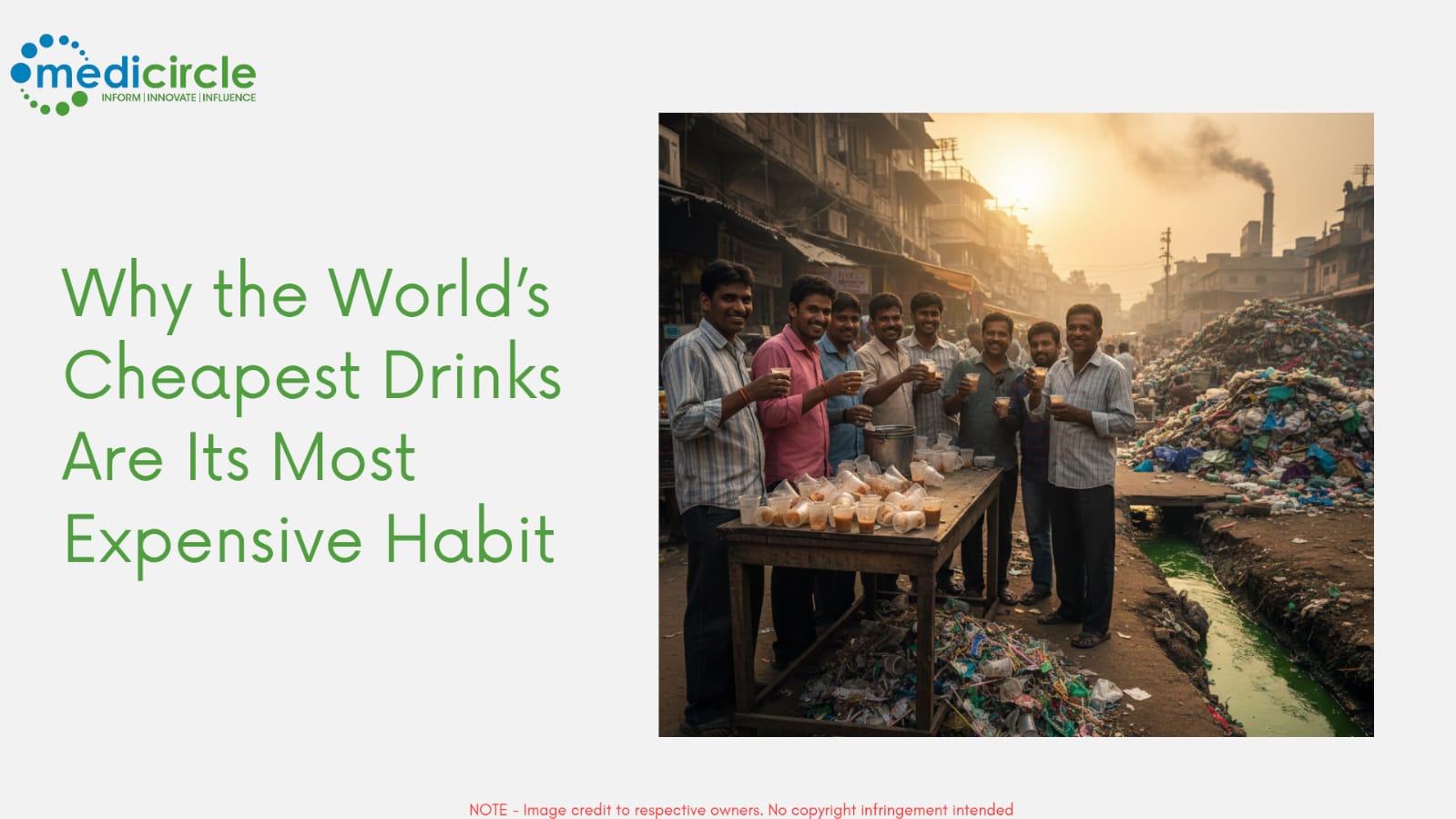
 The WHO’s warning is timely and grounded in decades of research. What remains uncertain is whether governments will act with the urgency this moment demands




Walk into any neighbourhood shop today and one truth stares back from chilled shelves and stacked counters: sugary drinks and alcohol have never been easier to buy. A fizzy soda costs less than a bottle of clean drinking water in many places. A can of beer or a small bottle of liquor is often cheaper than a nutritious meal. What looks like convenience and affordability on the surface is quietly shaping a global health crisis, and the warning bells are now ringing louder than ever.
According to new global assessments released by World Health Organisation, sugary beverages and alcoholic drinks are becoming more affordable across countries, and this shift is directly fuelling rising rates of obesity, diabetes, heart disease, cancer, and alcohol-related injuries. The concern is not limited to high-income nations or urban centres. The impact is visible across low and middle-income countries, where healthcare systems are already under pressure and preventive care often takes a back seat.
The science behind this warning is neither new nor disputed. When unhealthy products are cheap, people consume more of them. When consumption rises, disease follows. What has changed is the scale and speed at which this affordability is spreading, largely because governments have failed to update taxes in line with inflation, income growth, and changing consumption patterns. In simple terms, people earn more, prices stay flat, and harmful drinks slide deeper into everyday life.
Sugary drinks include far more than colas and aerated beverages. Sweetened milk drinks, packaged fruit juices with added sugar, flavoured teas, energy drinks, and ready-to-drink beverages have all flooded markets, especially in countries with young populations. Alcohol follows a similar pattern. Beer, wine, spirits, and alcopops are aggressively marketed, widely available, and often priced low enough to encourage regular use rather than occasional consumption.
The WHO reports point out a striking paradox. On paper, many countries appear to be taxing these products. In reality, the taxes are either too small to make a difference or designed so poorly that large segments of the market escape them altogether. At least 116 countries have some form of tax on sugary drinks, yet many popular products fall outside the tax definition. Alcohol is taxed in 167 countries, but the real price of alcohol has remained stable or even declined since 2022 in several regions because tax rates have not kept pace with inflation.
When adjusted for income growth, alcohol has effectively become cheaper for large sections of the population. Global excise taxes account for only about 14 percent of the retail price of beer and around 22.5 percent for spirits. Sugary drink taxes often add just two percent to the cost of a typical soda. Such minimal increases barely register with consumers and do little to discourage frequent use.
The health consequences of this affordability are already visible. Obesity rates are climbing across age groups, with childhood and adolescent obesity emerging as a particularly worrying trend. Excess sugar intake plays a central role in weight gain, insulin resistance, and type 2 diabetes. Over time, these conditions increase the risk of heart attacks, strokes, kidney disease, and certain cancers. Dental decay, often overlooked in public health discussions, is another direct outcome of high sugar consumption, especially among children.
Alcohol adds another layer of harm. Beyond liver disease and addiction, alcohol consumption is linked to road traffic accidents, domestic violence, workplace injuries, and mental health disorders. Among young people, alcohol-related injuries remain one of the leading causes of preventable death worldwide. When alcohol is cheap and easily accessible, it becomes woven into social routines, celebrations, and stress coping mechanisms, often without a clear understanding of long-term consequences.
What makes this crisis particularly troubling is that it is largely preventable. The WHO has repeatedly highlighted taxation as one of the most effective public health tools available. Unlike awareness campaigns, which rely on individual behaviour change, taxes shape the environment in which choices are made. When prices rise, consumption falls. This relationship has been demonstrated across tobacco, alcohol, and sugary drinks in multiple settings.
The latest WHO push comes with a clear framework called “3 by 35,” an initiative urging governments to raise the real prices of tobacco, alcohol, and sugary drinks by the year 2035. The goal is straightforward: make unhealthy products less affordable over time, even as incomes rise. This does not require banning products or policing personal choices. It simply corrects a market imbalance where harmful goods are artificially cheap.
Critics often argue that such taxes unfairly burden low-income consumers. The evidence, however, tells a more nuanced story. Low-income communities are often the most affected by diet-related diseases and alcohol-related harm. When taxes reduce consumption, these groups stand to gain the most in terms of improved health outcomes. Moreover, revenue generated from health taxes can be directed towards healthcare services, nutrition programmes, clean water, education, and social protection schemes that benefit vulnerable populations.
Several countries provide real-world examples of how smart taxation works. The United Kingdom’s sugary drink levy, for instance, encouraged manufacturers to reformulate products with less sugar to avoid higher taxes. As a result, sugar consumption from soft drinks declined without hurting industry growth. Similar trends have been observed in Mexico, where higher soda taxes led to reduced purchases, especially among lower-income households, alongside increased water consumption.
These successes underline an important point: health taxes do more than change consumer behaviour. They also reshape industry practices. When faced with higher taxes, manufacturers innovate, reduce sugar content, and diversify healthier offerings. This shifts the entire food and beverage environment in a healthier direction, creating benefits that extend beyond individual choices.
The WHO also emphasises that tax design matters as much as tax rates. Specific excise taxes, which charge a fixed amount per litre or per gram of sugar or alcohol, are more effective than ad valorem taxes based on product value. Specific taxes are easier to administer, harder to avoid, and more predictable in their impact. Regular adjustments for inflation are essential to prevent products from becoming cheaper over time.
Another overlooked aspect is the taxation of wine. In many countries, wine remains untaxed or lightly taxed due to cultural and political considerations, despite clear evidence of its health risks. This creates inconsistencies in alcohol policy and undermines public health goals. A comprehensive approach requires treating all alcoholic beverages based on their alcohol content rather than tradition or perception.
Children and young adults stand at the centre of this debate. Early exposure to sugary drinks shapes taste preferences that persist into adulthood. Cheap alcohol increases the likelihood of early initiation and binge drinking. Once habits are formed, they are difficult to reverse. By allowing harmful drinks to remain affordable, societies are effectively normalising behaviours that lead to lifelong health problems.
Healthcare systems are already feeling the strain. Treating obesity-related complications, diabetes, heart disease, and alcohol-related injuries consumes a growing share of public health budgets. These are resources diverted away from preventive care, maternal health, infectious disease control, and mental health services. In countries with limited healthcare infrastructure, the burden is even heavier, often pushing families into catastrophic health expenditure.
The WHO’s call for stronger health taxes is not about moral judgement or lifestyle policing. It is about aligning economic policy with health realities. When prices reflect true social costs, markets function more fairly. Consumers are nudged towards healthier choices, industries adapt, and governments gain resources to invest in public welfare.
Resistance to such measures often comes from powerful industry lobbies that frame taxes as threats to jobs or economic growth. Yet evidence consistently shows that health taxes do not destroy industries. Instead, they encourage transformation. Jobs shift towards healthier product lines, and public spending supported by tax revenue can stimulate employment in healthcare, education, and infrastructure.
There is also a broader ethical dimension to consider. Allowing harmful products to remain cheap while societies bear the cost of disease raises questions about responsibility and governance. Public policy has a duty to protect health, especially when evidence is clear and solutions are available.
As sugary drinks and alcohol become cheaper, the true price is paid elsewhere: in hospital wards, in lost productivity, in shortened lives, and in the suffering of families dealing with preventable illness. The WHO’s warning is timely and grounded in decades of research. What remains uncertain is whether governments will act with the urgency this moment demands.
The choice before policymakers is stark. They can continue to allow market forces to prioritise profit over health, or they can use proven tools to reshape consumption patterns and protect future generations. Raising taxes on sugary drinks and alcohol is not a silver bullet, but it is one of the strongest levers available.
In the end, the question is simple. Should harmful drinks be cheaper than health? The answer will define the next chapter of global public health.




-23-300x250.png)

.jpeg)






.jpg)
.jpg)
.jpg)
.jpg)
.jpg)
.jpg)
.jpg)
.jpg)
.jpg)