Tuesday, October 27, 2026
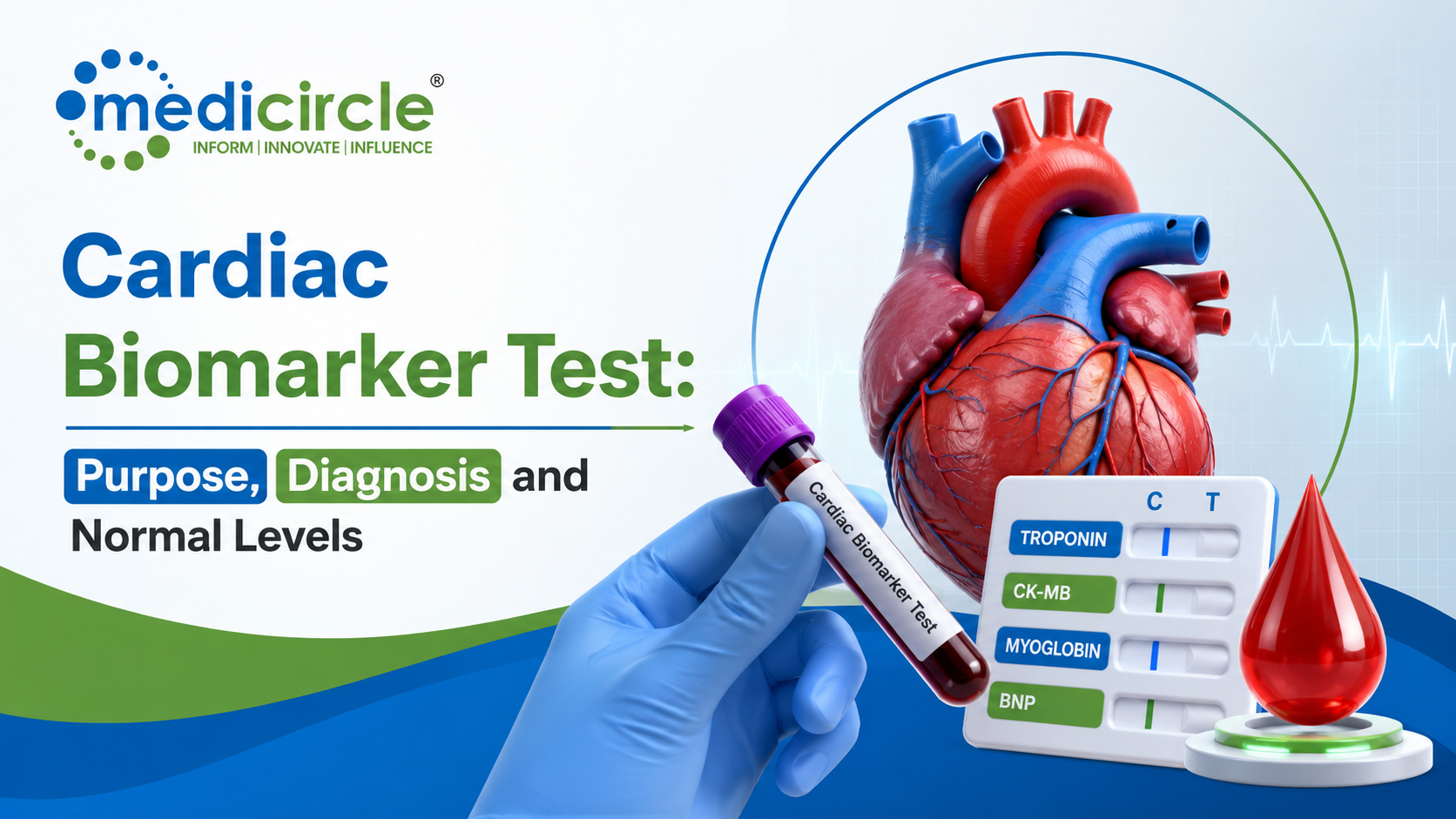
 A cardiac enzyme test measures specific blood biomarkers to detect heart muscle damage. This essential diagnostic tool helps emergency medical teams accurately confirm heart attacks and guide timely, life-saving treatment interventions.




Decoding the Cardiac Enzyme Test
When an individual experiences a sudden health emergency such as crushing chest pain or unexplained shortness of breath, the primary medical focus immediately turns to protecting the heart. In emergency rooms across India, determining whether these warning signs indicate an acute myocardial infarction is the highest clinical priority. While an electrocardiogram remains a standard tool for mapping the electrical rhythms of the heart, this initial evaluation only provides a partial narrative of cardiovascular health.
To find out if the heart tissue has actually sustained physical damage, medical teams rely on a specialized blood analysis widely known as a cardiac enzyme test. This vital diagnostic tool screens for specific cardiac biomarkers that find their way into the bloodstream only when heart cells face severe distress, oxygen deprivation, or structural injury. Recognizing how this blood test functions, what the diagnostic numbers indicate, and when it is needed can offer essential clarity during stressful, time-sensitive medical scenarios.
Why Measure Enzymes?
The human heart is a highly resilient muscular pump working around the clock to distribute oxygen-rich blood to every organ. Because of this non-stop workload, the cells within the heart muscle contain distinct proteins and enzymes essential for daily energy production and cellular health. Under normal circumstances, these elements are locked securely inside the cell walls, leaving only minor, baseline traces circulating in the blood.
However, the situation changes if a coronary artery narrows or encounters a sudden blockage from plaque buildup. When blood flow drops, a portion of the heart is starved of oxygen, which is a dangerous state known as myocardial ischemia. If this oxygen deficit continues, the cell membranes of the stressed heart tissue begin to break down and rupture. As these injured heart cells degrade, they spill their inner cellular proteins directly into the bloodstream.
By analyzing the concentration of these specific proteins from a standard blood draw, medical teams can confirm if a heart attack has taken place. They can also assess how much tissue was affected and closely track the stabilization of the heart muscle.
Biomarkers in Blood
Modern medical diagnostics have moved past older, generalized blood tests to focus on highly specific cellular markers. These modern indicators allow laboratory technicians to confirm cardiac injury with remarkable precision and speed.
Troponin Levels
A troponin test stands as the absolute gold standard for identifying acute cardiac injury. These specific regulatory proteins are responsible for helping the heart muscle contract and relax. Because the structural makeup of cardiac troponin is entirely distinct from the troponin found in skeletal muscles, its presence in the blood points directly to heart muscle distress. High-sensitivity troponin levels usually begin to climb within three to four hours of an injury and can remain detectable for up to two weeks, giving doctors a generous diagnostic window to evaluate patients.
Creatine Kinase-MB
Creatine kinase is an enzyme found throughout the body, including the skeletal muscles and brain tissue. However, a distinct variation called CK-MB lives almost exclusively in the heart muscle. When cardiac cells suffer damage, CK-MB levels generally rise within four to six hours, hit their highest point around twenty-four hours, and clear out within two to three days. This predictable rise and fall makes CK-MB exceptionally valuable for figuring out if a patient is experiencing a secondary heart attack shortly after the first one.
Myoglobin Role
Myoglobin is an oxygen-binding protein located in various muscle tissues. Though it is not exclusive to the heart like troponin, it is released incredibly fast when muscle cells are compromised, often surging within one to two hours of an injury. Because of this speed, emergency medical teams occasionally use myoglobin as an early, preliminary indicator while waiting for more definitive lab results to process.
When Is It Necessary?
A cardiac enzyme test panel is not a routine screening tool used during a typical yearly physical examination. Instead, it is an emergency diagnostic ordered when a patient displays acute symptoms suggesting that the heart muscle is struggling from a lack of oxygen.
- Oppressive Chest Discomfort: A feeling of intense squeezing, heavy pressure, or fullness in the center or left side of the chest that stays for several minutes, or fades away only to return.
- Shifting Body Pain: Discomfort that begins in the chest but radiates outward into the jaw, neck, shoulders, back, or down the left arm.
- Breathing Difficulties: A sudden onset of breathlessness or extreme fatigue, which can occur even if severe chest pain is not present.
- Autonomic Warning Signs: Breaking into an unexpected cold sweat, experiencing sudden lightheadedness, or feeling unexplained nausea and physical weakness.
Beyond emergency evaluations, doctors frequently use serial cardiac enzyme tests for hospitalized individuals dealing with unstable angina, which involves severe and erratic chest pain, to verify that their condition is not turning into an active heart attack. It is also an essential tool for monitoring tissue recovery following major heart procedures, such as an angioplasty or a bypass surgery.
Understanding Lab Results
Reading the data from a cardiac enzyme test normal range report requires specialized clinical judgment. Doctors never look at these numbers in isolation; they always evaluate them alongside an electrocardiogram, the symptoms of the patient, and overall medical history.
|
Biomarker |
Typical Normal Range |
Expected Elevation Window |
|---|---|---|
|
Troponin T |
0 to 0.04 ng/mL |
3 to 4 Hours |
|
Troponin I |
0 to 0.04 ng/mL |
3 to 4 Hours |
|
CK-MB |
0 to 5 ng/mL |
4 to 6 Hours |
Note: Normal reference values may vary slightly depending on the specific testing equipment, reagents, and laboratory standards of individual medical centers.
If the numbers of a patient fall well within the normal baseline, it typically means that no significant, acute damage to the heart muscle occurred in the hours leading up to the test. However, because these proteins take time to travel from the heart into the bloodstream, an initial normal reading in the emergency room cannot completely rule out a heart attack. This is why medical teams perform serial testing by drawing blood multiple times at specific intervals, such as three, six, and twelve hours later, to catch any delayed spikes.
On the flip side, elevated troponin or CK-MB numbers serve as clear evidence of cardiac muscle strain or injury. Generally, the higher the concentration of these markers in the blood, the more extensive the affected area of the heart muscle tends to be.
Other Elevation Causes
While a classic heart attack is the most common reason for elevated cardiac biomarkers, an abnormal result does not always mean a blocked coronary artery is the culprit. Any condition that places extreme physical stress on the heart or triggers cellular inflammation can cause these proteins to leak.
For instance, chronic kidney disease frequently causes baseline troponin levels to look high because the kidneys are struggling to filter these proteins out of the body naturally. Severe, body-wide infections such as sepsis, a blood clot in the lungs, extreme high blood pressure spikes, and even exceptionally intense endurance sports can stress the heart muscle enough to trigger a temporary enzyme release.
Additionally, localized conditions like myocarditis, which is inflammation of the heart muscle itself, or pericarditis, which is inflammation of the sac holding the heart, will alter lab values. Experienced clinicians look at the broader clinical puzzle to determine whether the root cause is a true arterial blockage or an alternative health issue.
The Testing Procedure
From a patient standpoint, a cardiac enzyme test is identical to any standard blood test you have had before. It is safe, quick, and routine. A nurse or phlebotomist will clean a small patch of skin over a vein, typically in the crook of your elbow or the back of your hand, and insert a fine needle to fill a small vacuum tube. The process takes under a minute and involves nothing more than a brief prick.
Because these evaluations are usually performed during urgent medical situations, there is no need to fast or prepare ahead of time. Once the sample is collected, it is rushed to the on-site lab of the hospital under a high-priority label. Results are often turned around within an hour, giving the medical team the solid information they need to adjust treatments, plan interventions, or offer reassuring news without losing precious time.
Protect Your Heart
The cardiac enzyme test stands as a cornerstone of modern emergency medicine, acting as an early warning system for a heart under siege. By offering clear, measurable evidence of muscle tissue stress, these biomarkers remove the guesswork in critical moments, allowing doctors to deliver precise, life-saving care when every second counts.
Learning the subtle warning signs of heart trouble and understanding the steps doctors take to evaluate them helps individuals navigate health challenges with confidence. When it comes to cardiovascular health, timing is everything. Arriving at a properly equipped healthcare facility the moment worrisome symptoms appear remains the single most effective step you can take to protect your long-term wellness.
Frequently Asked Questions
Can a Cardiac Enzyme Test Be Performed at Home?
No, this is not an option. Because these tests are designed to evaluate urgent, potentially life-threatening cardiac events, they must be processed in a controlled hospital or clinical laboratory environment. The testing machinery requires exact calibration, and the results must be evaluated immediately by a medical professional who can start emergency therapies if required.
How Long Do Cardiac Enzymes Remain Elevated After an Injury?
It varies by biomarker. Myoglobin drops back down within twenty-four hours, while CK-MB readings usually return to normal within two to three days. Troponin lingers much longer, remaining detectable in the blood for up to one or two weeks after an injury. This long tail allows doctors to identify a heart attack even if a patient delayed going to the hospital for several days.
If My ECG Results Are Normal, Do I Still Need an Enzyme Test?
Yes, quite often. An electrocardiogram monitors the electrical signals running through your heart. While it is excellent at catching certain types of major heart attacks instantly, other types of cardiac events do not create immediate changes on an electrical graph. The cardiac enzyme test acts as a vital chemical safety check, confirming whether physical cell damage has occurred regardless of what the electrical lines show.





-23-300x250.png)

.jpeg)






.jpg)
.jpg)
.jpg)
.jpg)
.jpg)
.jpg)
.jpg)
.jpg)
.jpg)