 Wednesday, October 28, 2026
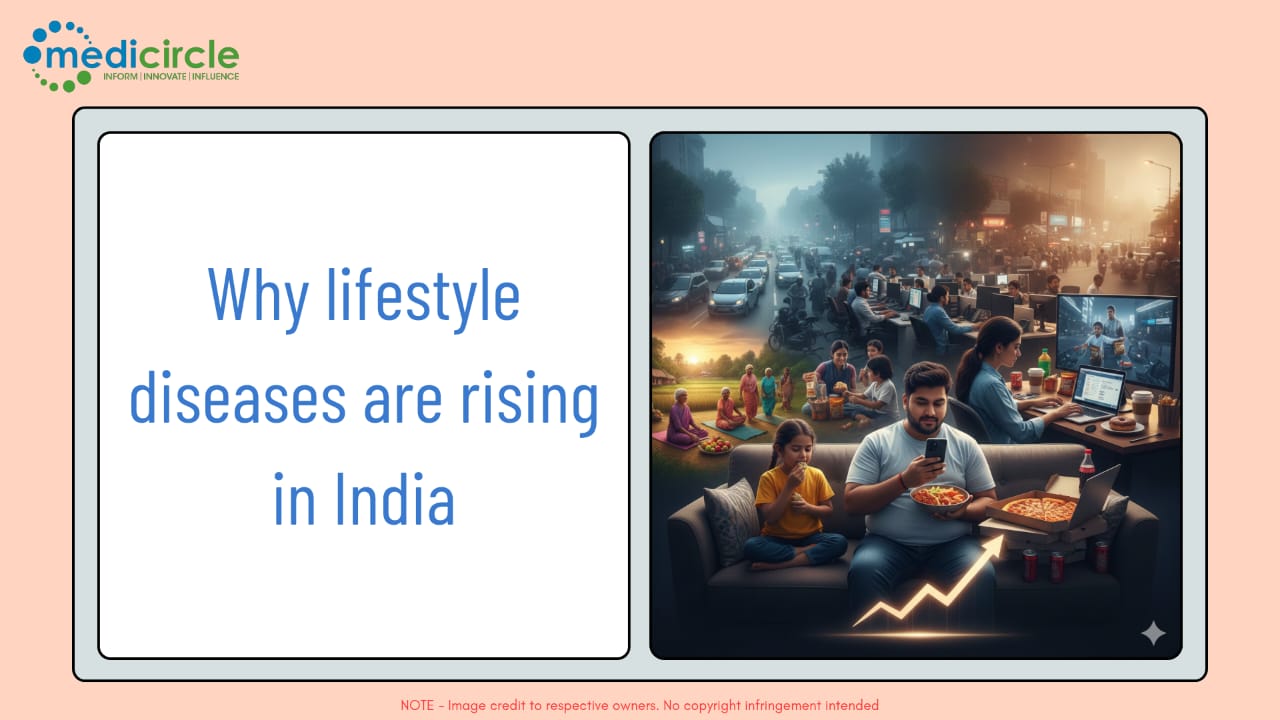
 Modern lifestyles in India are quietly driving lifestyle diseases through stress, inactivity and dietary change, while awareness and connected health tools offer a path toward prevention and personal control.




It feels like we hear about it all the time now, does it not? A colleague in their thirties is managing high blood pressure. A relative, not yet fifty is adjusting to life with diabetes. It has become so common that we might just shrug and call it a sign of the times. But have you ever stopped to wonder why this is happening so frequently now? This is not about fate or bad genes alone. There is a quiet, profound change unfolding in the way we live in India and it is reshaping our health in ways we are only beginning to fully grasp.
These illnesses, diabetes, hypertension and heart conditions, do not come from a virus you catch. They seep in slowly, woven into the fabric of our everyday choices and routines. But here is the important part. This is not a story meant to scare you. It is a conversation starter. By understanding the why, we can start to see the how, how we can respond, adapt and find a better balance.
The lifestyle health link:
For a long time, India’s biggest health battles were fought against infectious diseases. Today, a new front has opened up and it is intimately linked to our lifestyle. Let us picture a fairly ordinary day for many of us. Hours spent seated, at a desk, in a car or on a sofa. Meals that are often about convenience over nourishment, grabbed quickly between meetings. The deep, cultural importance of home cooked food sometimes feels like a nostalgic memory in the rush of modern life.
We are eating differently. Processed snacks, sugary drinks and oversized portions have become frequent guests at our tables, often nudging aside traditional, more balanced meals. Layered on top of this is a constant, low hum of stress. The pressure to perform at work, the hustle of city living and the demands of daily life keep our bodies in a state of constant alert. This persistent stress can quietly throw our metabolism and blood pressure out of sync. It is this combination, less movement, different food and more stress that creates an environment where lifestyle diseases can take root and they are doing so at younger ages than we ever saw before.
Turning the tide:
Now, this might sound daunting, but this is where the narrative changes course. If our modern habits are part of the problem, then modern tools and awareness can be a powerful part of the solution. There is a quiet revolution happening in healthcare, moving it from the clinic right into our hands and onto our wrists.
Think about it. We are moving from a world of occasional check-ups to one of continuous understanding. This is what the surge in connected health technology is all about. It is not just fancy gadgets. It is a fundamental shift in how we engage with our own well-being. A small wearable device can now track your daily activity, reminding you to move after an hour of sitting. A smart blood pressure monitor can log readings over time, showing you and your doctor trends that a single reading in a stressful clinic visit could never reveal.
For someone managing diabetes, new devices can provide real time insights into how a specific meal or a morning walk affects their glucose levels. This is powerful, personal data. It transforms health management from a guessing game into an informed dialogue with your own body. This shift towards proactive, personalized care is what makes this moment so different from the past.
Health in your hands:
So, where does this leave you and me? It points to a clear, two fold path, mindful living and smart empowerment.
The first step is simply awareness. It is recognizing that the small, repeated choices of today, choosing stairs over the lift, opting for a home-made lunch, taking five minutes to breathe deeply during a hectic day, genuinely shape our health of tomorrow. No change is too small. It is about progress, not perfection.
The second step is embracing the support that exists today. The growth of connected health tools empowers us to be active participants in our health, not just passive patients. We can monitor, learn and adjust in real time. This stream of personal data helps us make better day to day decisions and equips our doctors with precise information to guide us more effectively. In this way, technology becomes a bridge. It connects the fast pace of our modern Indian lives with the timeless goal of staying truly healthy and vital.
A final thought:
The rise of lifestyle diseases in many ways is a side effect of our progress and changing world. But it is not a predetermined destiny. By seeing the link between our daily rhythms and our long term health, we take back a significant measure of control. We can weave together this newfound awareness with the intelligent tools at our disposal. This combined approach offers a robust defense, one that prioritizes early awareness, better management and a health journey tailored just for you.
The ultimate goal shifts. It is not merely about adding more years to life, but about adding more life to those years. The knowledge is there. The tools are here, within reach. The next, most important step, as always is ours to take.





-23-300x250.png)

.jpeg)


.jpg)
.jpg)
.jpg)
.jpg)
.jpg)
.jpg)
.jpg)
.jpg)
.jpg)

