 Tuesday, October 27, 2026
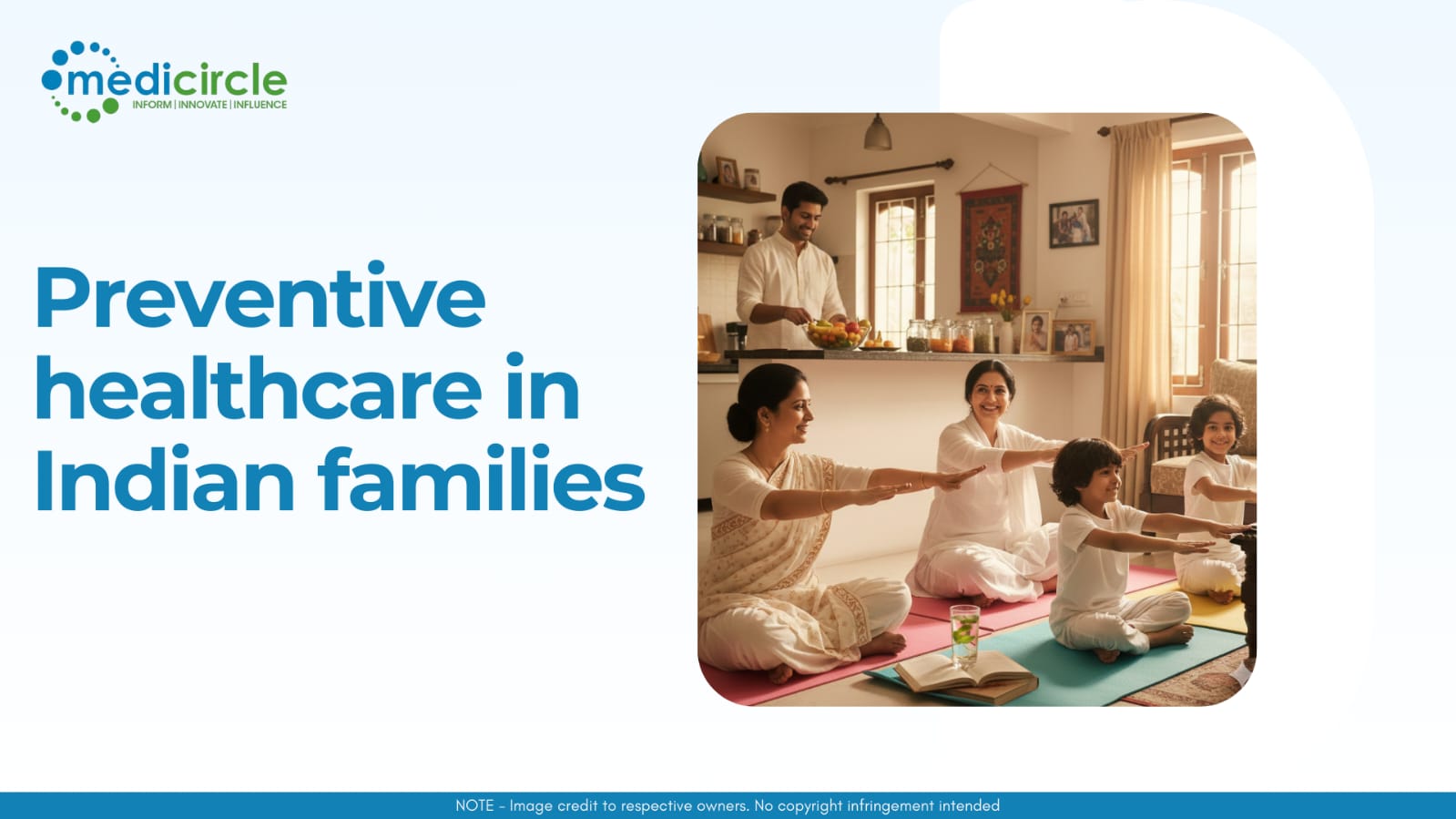
 Indian families are moving away from reactive medical care toward a preventive lifestyle. This shift focuses on early screening, traditional nutrition, and mental wellness to secure a healthier future.




For many years, the standard approach to health in Indian households has been entirely reactive. We do not call a doctor for a persistent backache or a minor cough. Instead, we wait until the discomfort makes it impossible to work or the cough develops into a high fever. This mindset of only addressing a fire once it has already spread is deeply rooted in our daily culture. However, if you walk into a neighborhood park or a local pharmacy today, you will see that the narrative is changing. Families are beginning to realize that the old proverb about prevention is more than just a line for a school poster. It is a vital physical and financial necessity in the modern world.
Urgent Health Shifts:
The health landscape in India has undergone a massive transformation over the last two decades. While previous generations primarily dealt with infectious diseases, the current generation faces a sharp increase in lifestyle related conditions. Issues such as hypertension, Type 2 diabetes, and high cholesterol are no longer problems reserved for the elderly. These conditions are now appearing in individuals who are only in their thirties or forties.
When we discuss preventive healthcare, we are not simply talking about expensive or elite hospital packages. We are referring to the small daily choices that keep a family away from the emergency room. It is essential to understand that the cost of a yearly blood test is significantly lower than the emotional and financial exhaustion caused by a sudden cardiac event or a long term chronic illness.
Healing Through Food:
If we examine our traditional roots closely, we see that preventive care was always a part of the Indian lifestyle. The use of spices like turmeric and ginger along with seasonal vegetables was never accidental. These ingredients were medicinal in nature. Somewhere along the path to modernization, the convenience of processed foods and sedentary office roles took over our lives.
Reintroducing preventive care begins at the family dining table. It means choosing whole grains instead of refined flour and reducing the hidden sugars found in our daily tea or snacks. This is not about following a restrictive diet that feels like a punishment. It is about returning to a balanced meal that suits our specific climate and our unique biology. When a family decides to switch to less oil or more fiber collectively, it creates a support system that makes healthy living feel like a shared goal rather than a difficult chore.
Value of Screening:
There is often a lingering hesitation in Indian families to undergo medical tests when everyone feels perfectly fine. There is a common fear that searching for a problem will only result in finding one. However, modern medical science thrives on the principle of early detection.
A simple annual screening can identify a rising blood sugar level or a thyroid imbalance long before any physical symptoms appear. For the women in the family, regular screenings for bone density and reproductive health are absolutely vital. When these checkups become a routine part of the family calendar, much like planning for a festival or a wedding, the stigma of being sick disappears. It is simply a matter of maintenance, similar to how we care for our vehicles or our homes.
Prioritizing Mental Wellness:
Preventive care is also evolving to include the topic of mental well-being, which was once considered a taboo subject in our society. The pressure of urban living, competitive examinations, and workplace stress affects every single member of the household.
A preventive approach involves creating an environment where family members can speak openly about burnout or anxiety without fear of judgment. It involves encouraging regular physical activity, whether that is a morning walk in a local park or a weekend game of badminton with neighbors. These activities do more than just burn calories. They act as a necessary vent for the stresses of daily life, protecting the mental health of the family in the long run.
Creating Health Legacies:
Ultimately, the focus on preventive healthcare is an investment in our future time together. It is about ensuring that grandparents have the energy to play with their grandchildren. It is about making sure that young professionals can pursue their career goals without being sidelined by ailments that could have been avoided. It is about breaking the cycle of lifestyle diseases that often pass down through families.
By shifting the focus from how to get well to how to stay well, Indian families are taking back control of their lives. It requires a small amount of discipline and a significant change in mindset. The rewards for this effort are a longer, happier, and more vibrant life for the entire household.





-23-300x250.png)

.jpeg)








.jpg)
.jpg)
.jpg)
.jpg)
.jpg)
.jpg)
.jpg)
.jpg)
.jpg)

